

Urban gardening refers to the practice of growing plants, herbs, fruits, and vegetables within cities and towns. It typically takes place in small spaces like balconies, rooftops, windowsills, patios, or community plots. Urban gardening offers numerous benefits, such as reducing food miles, encouraging healthy eating habits, improving air quality, and creating much-needed green spaces in our cities.It’s no surprise that urban gardening is rapidly gaining popularity, as people living in busy, fast-paced cities seek ways to lower their carbon footprint, embrace sustainable living, and enjoy fresh, homegrown produce.
At Sunlight Gardening Services, we’re passionate about helping urban communities create their own green spaces. Whether you’re starting your first balcony garden or building a community allotment, our team is here to support your urban gardening journey.
Key Types of Urban Gardening
1. Container Gardening
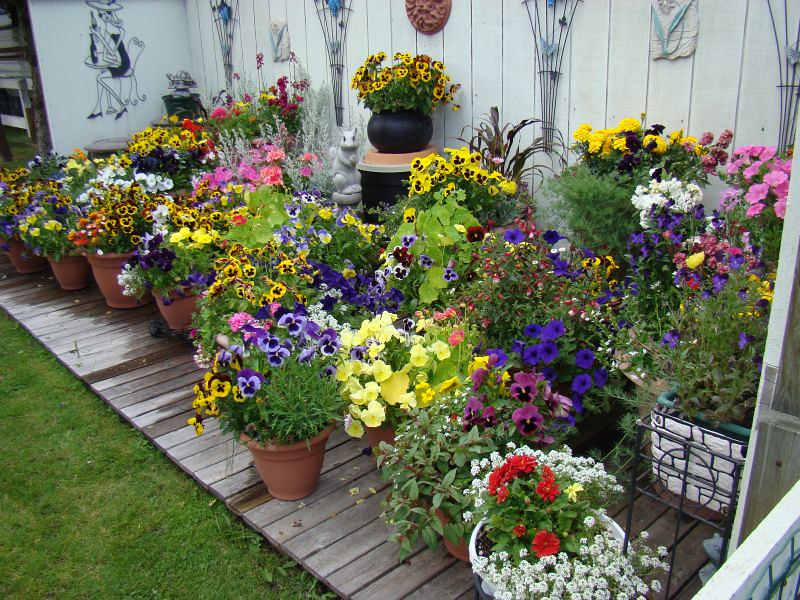
Container gardening is an accessible and versatile way to grow plants in urban settings. It involves using pots, grow bags, window boxes, or planters to cultivate a variety of plants, including herbs, vegetables, and flowers. This method works perfectly on balconies, patios, or even indoors near windows, making it ideal for those with limited or no yard space. Containers allow you to control soil quality and moisture more easily, plus they can be moved around to catch the best sunlight or protect plants from harsh weather.
- Uses pots, grow bags, and planters
- Suitable for balconies, patios, windowsills
- Easy to control soil and water conditions
- Portable and flexible for space and light needs
- Great for beginners and small-space gardeners
For expert advice on maintaining your containers and keeping your plants healthy, explore garden maintenance Service..
2. Vertical Gardening
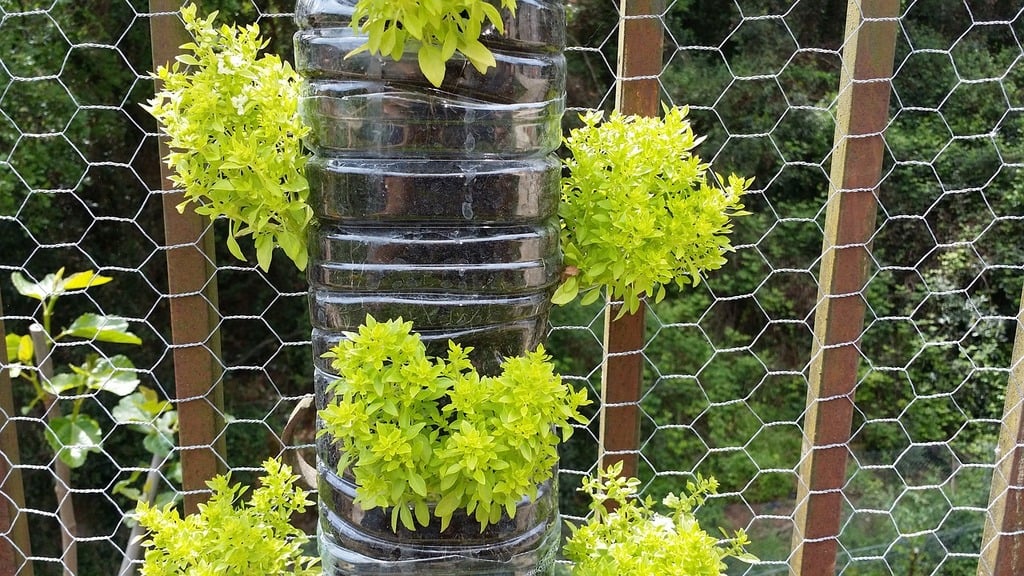
Vertical gardening maximizes limited urban space by growing plants upwards instead of outwards. This technique employs green walls, trellises, hanging pots, and specially designed vertical planters. Vertical gardens are especially popular on balconies, patios, and small yards where horizontal space is scarce. They not only save space but also create beautiful living walls that improve air quality and provide insulation. Vertical gardening is a creative and efficient way to add greenery to apartments and dense urban areas.
- Uses walls, trellises, hanging pots, vertical planters
- Saves horizontal space by growing plants upwards
- Ideal for balconies, small patios, and urban walls
- Enhances aesthetics and air quality
- Can include flowers, herbs, and climbing vegetables
3. Rooftop Gardening

Rooftop gardening transforms flat roofs into productive green spaces. This type of urban gardening often involves creating vegetable beds, raised planters, or installing green roofs with drought-resistant plants. Rooftop gardens help reduce building heat, improve insulation, and reduce urban heat island effects. They also provide city dwellers with peaceful outdoor spaces and fresh produce, all while utilizing otherwise unused areas.
- Gardens established on flat rooftops
- Includes vegetable beds, raised planters, and green roofs
- Helps reduce building temperatures and urban heat islands
- Creates relaxing green spaces in the city
- Can produce a significant yield of fresh vegetables and herbs
4. Hydroponics and Aeroponics
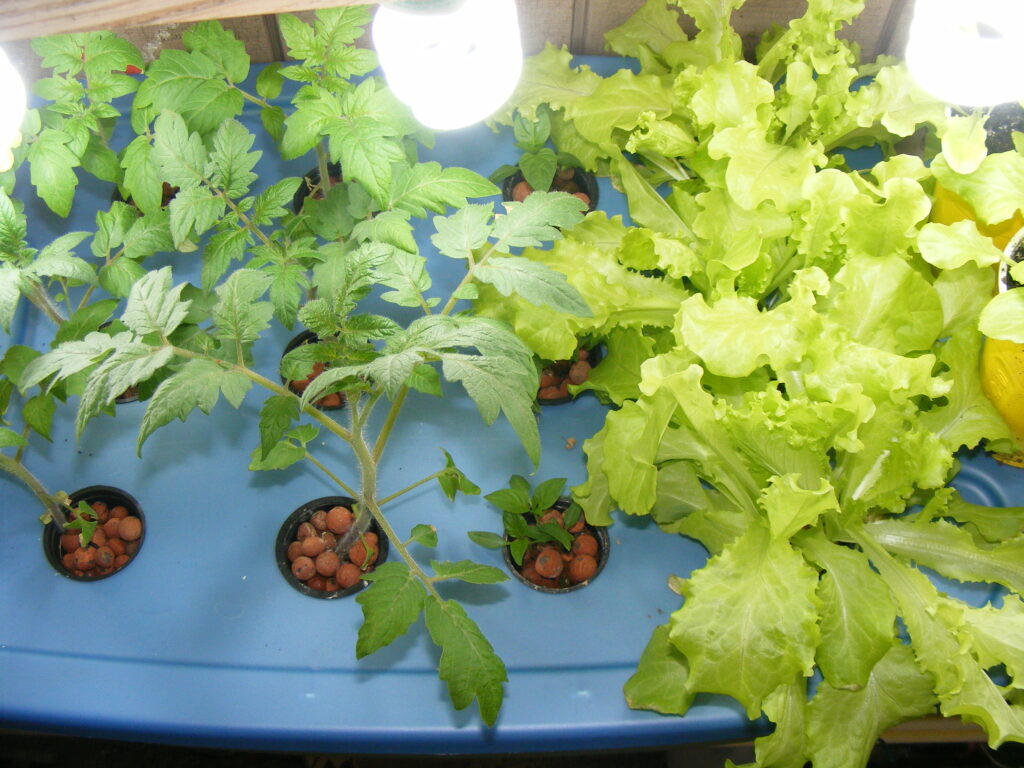
Hydroponics and aeroponics are innovative soil-free growing techniques ideal for indoor urban gardening. Hydroponics uses nutrient-rich water solutions, while aeroponics suspends roots in air and mist them with nutrients. Both methods allow faster plant growth, use less water than traditional soil gardening, and can be set up in small spaces like apartments or basements. These systems are perfect for year-round growing, especially in areas with limited sunlight or harsh climates.
- Soil-free growing techniques: hydroponics (water-based) and aeroponics (air/mist-based)
- Suitable for indoor growing in apartments and small spaces
- Faster plant growth and efficient water use
- Ideal for herbs, leafy greens, and small vegetables
- Enables year-round gardening regardless of outdoor conditions
5. Community Gardens

Community gardens are shared gardening spaces where neighbors and local residents come together to grow fruits, vegetables, and flowers. These gardens foster social connections, encourage environmental stewardship, and improve food access in urban neighborhoods. Community gardens often occupy vacant lots or public parks and can become vibrant hubs of education and recreation. They empower people without personal garden space to participate in urban agriculture.
- Shared neighborhood gardening spaces
- Located in vacant lots, parks, or community centers
- Encourages social interaction and community building
- Improves local food access and environmental awareness
- Offers educational and recreational opportunities
6. Guerrilla Gardening
Guerrilla gardening is an activist approach to urban gardening where individuals or groups plant flowers, vegetables, or trees in neglected public or abandoned spaces without formal permission. This type of gardening beautifies blighted areas, raises awareness about urban green space needs, and reclaims neglected land for community benefit. Though unofficial and sometimes controversial, guerrilla gardening can spark positive change and inspire community involvement.
- Planting in neglected or abandoned public spaces
- Often done without formal permission
- Beautifies and reclaims blighted urban areas
- Raises awareness about urban green spaces
- Encourages community activism and involvement
7. Indoor Gardening & Microgreens
Indoor gardening allows city dwellers to grow plants year-round inside their homes, using shelves, windowsills, or small indoor gardens. Microgreens—young vegetable greens harvested just after sprouting—are particularly popular because they grow quickly and pack a nutritional punch. Growing herbs, leafy greens, and microgreens indoors requires minimal space and can be done with simple containers and grow lights. This type of gardening is perfect for urbanites seeking fresh, healthy greens without outdoor space.
- Growing plants inside homes on shelves or windowsills
- Focus on herbs, leafy greens, and fast-growing microgreens
- Requires minimal space and equipment
- Ideal for year-round fresh produce
- Great for apartments and places without outdoor access
For a comprehensive guide on starting your own garden successfully, check out 10 Simple Steps to Start Your Own Garden Successfully from Sunlight Gardening Services.
2. Benefits of Urban Gardening
Urban gardening offers a broad range of benefits that positively impact our environment, health, communities, and local economies. Here are some of the Benefits.
2.1 Environmental Benefits
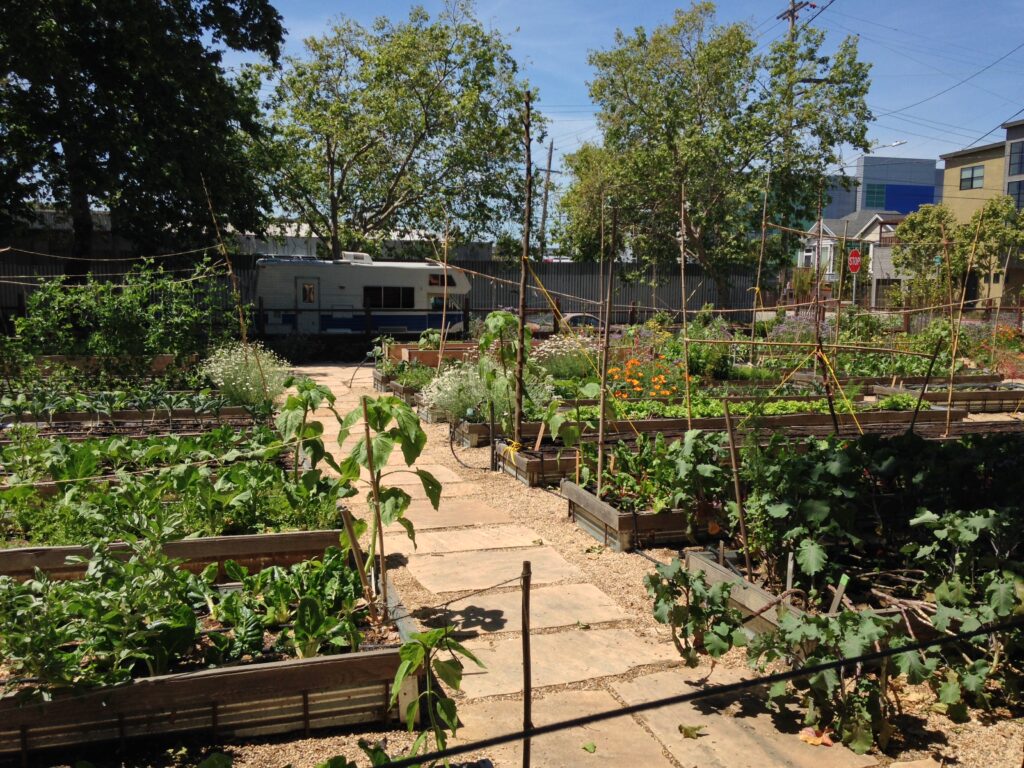
Urban gardening significantly improves the environment in cities by increasing greenery, which filters air pollutants and produces oxygen. Plants help reduce the urban heat island effect by shading surfaces and releasing moisture, cooling down city areas that tend to overheat due to concrete and asphalt. Additionally, these gardens boost urban biodiversity by creating habitats for pollinators, birds, and beneficial insects, helping restore ecological balance. Proper disposal of garden waste is important to keep these spaces healthy and pest-free, and professional garden waste clearance can help maintain a clean garden environment.
- Filters air pollutants and improves air quality
- Reduces urban heat island effect through shading and evapotranspiration
- Increases habitats for pollinators, birds, and beneficial insects
- Supports soil health and reduces erosion
- Professional garden waste clearance helps maintain garden sustainability
2.2 Health and Wellness Benefits
Growing your own food through urban gardening offers fresh, chemical-free produce that promotes healthier eating habits. Beyond nutrition, gardening is therapeutic—it lowers stress levels, improves mood, and can reduce symptoms of anxiety and depression. The physical activity involved in gardening tasks like digging, planting, and watering also promotes fitness, strength, and cardiovascular health. For beginners or those looking for low-impact methods, no-dig gardening is an accessible technique that preserves soil health and makes gardening easier. Learn more about this method in the no-dig gardening beginner’s guide.
- Provides access to fresh, pesticide-free produce
- Reduces stress and improves mental well-being
- Encourages regular physical activity and fitness
- No-dig gardening offers an easy, soil-friendly approach for beginners
2.3 Social and Community Benefits
Urban gardening strengthens communities by creating shared green spaces that bring people together. Community gardens foster social interaction, cooperation, and a sense of belonging among neighbors. They also provide valuable educational opportunities for schools and residents to learn about growing food, sustainability, and environmental stewardship. Furthermore, these gardens improve food security by offering access to fresh produce in underserved urban neighborhoods, helping to reduce reliance on distant food sources.
- Builds community connections and social cohesion
- Provides educational spaces for sustainable gardening and food growing
- Improves food security in urban and underserved areas
- Creates safe and inviting green spaces for community use
2.4 Economic Benefits
Urban gardening helps households save money by reducing grocery expenses through homegrown fruits and vegetables. Beyond personal savings, it opens up entrepreneurial opportunities for small-scale urban farming businesses, such as selling produce, seedlings, or gardening services. These ventures can stimulate local economies by creating jobs and encouraging sustainable business models within cities, supporting economic resilience in urban neighborhoods.
- Reduces grocery bills by providing homegrown food
- Creates opportunities for small urban farming businesses
- Supports local economies and job creation
- Encourages sustainable urban entrepreneurship
3. How to Start Urban Gardening in Small Spaces
3.1 Assess Your Space
Before you begin planting, carefully evaluate the space you have available. Urban gardens can fit into balconies, windowsills, rooftops, or even small backyards. Consider the size, sunlight exposure, and how accessible the area is for daily maintenance. If your space includes a deck or patio, enhancing it with proper decking can provide a sturdy and attractive base for your garden—check out outdoor decking options for ideas. Knowing your space well helps you plan what and how much you can grow.
- Identify potential gardening areas (balconies, windowsills, rooftops)
- Check sunlight exposure and space dimensions
- Improve and optimize outdoor areas with decking or garden features
3.2 Choose the Right Plants
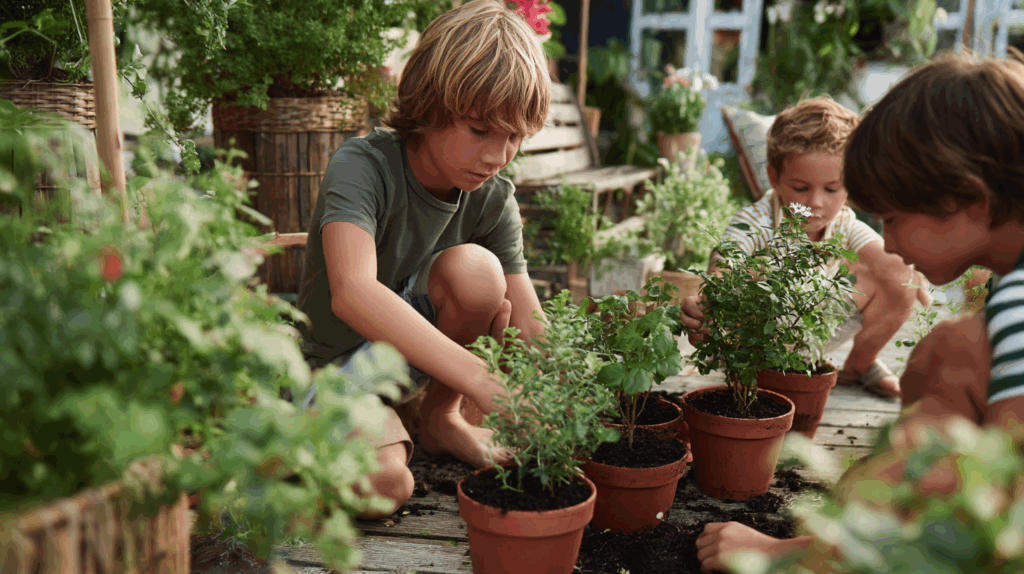
Selecting plants suited to small urban spaces is essential for success. Herbs like basil, mint, and parsley are ideal because they require little room and grow well in containers. Compact vegetables such as cherry tomatoes, radishes, and peppers also thrive in limited space. Adding flowers like marigolds can not only brighten your garden but also help deter pests naturally. Choosing the right plants ensures you get the most from your small garden with minimal effort.
- Grow herbs: basil, mint, parsley
- Select compact vegetables: cherry tomatoes, radishes, peppers
- Add flowers like marigolds for color and pest control
3.3 Select Gardening Methods
To maximize limited space, pick gardening methods that work vertically or in containers. Container gardening with pots or grow bags is flexible and perfect for balconies and windowsills. Raised beds offer better soil management and drainage in small yards. Vertical gardening with trellises, wall-mounted planters, or vertical towers allows you to grow more in less space by utilizing height. Choosing the right method helps you make the best use of your urban environment.
- Use containers or grow bags for portability
- Install raised beds for better soil control
- Implement vertical gardening with trellises or wall planters
3.4 Get the Right Tools & Materials
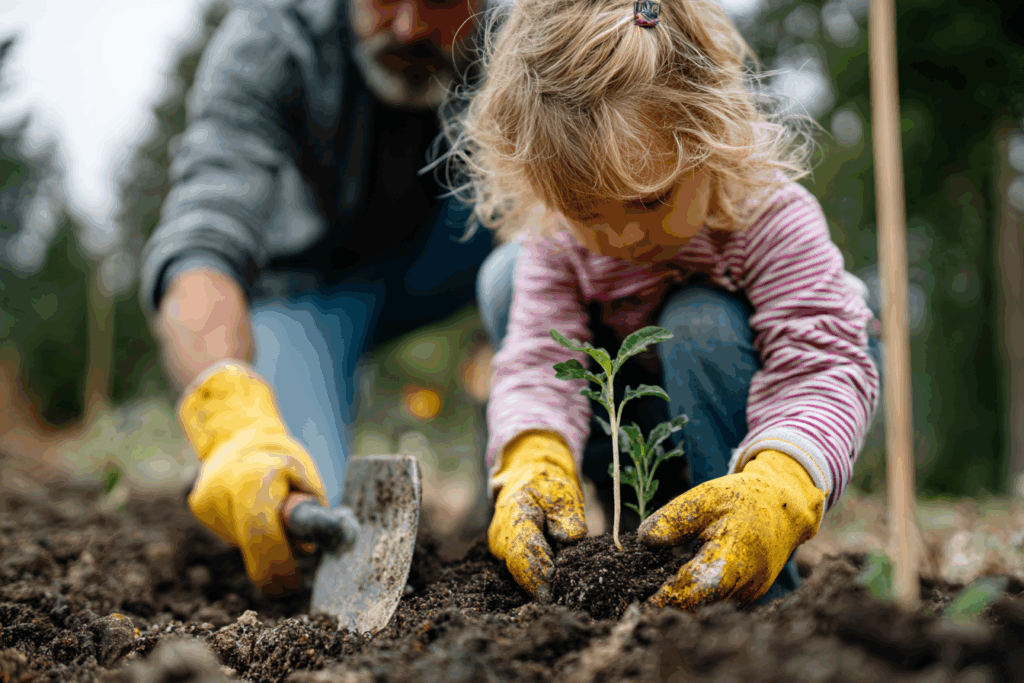
Having the right tools and materials simplifies urban gardening. Invest in quality soil and compost to provide nutrients. Choose pots or containers with proper drainage to prevent waterlogging. Fertilizers tailored to your plants’ needs support healthy growth. Watering cans or irrigation tools make daily care easier. If gardening indoors or in low-light spaces, grow lights supplement sunlight and keep plants thriving year-round.
- Use nutrient-rich soil and compost
- Select pots with drainage holes
- Apply appropriate fertilizers
- Utilize watering cans or irrigation systems
- Use grow lights for indoor or shaded areas
3.5 Plan for Watering and Drainage
Proper watering and drainage are crucial for healthy plants. Overwatering can cause root rot, while underwatering stresses plants. Self-watering containers or drip irrigation systems are ideal for maintaining consistent moisture with minimal effort. Make sure containers have drainage holes to allow excess water to escape and prevent soggy soil. Planning your watering routine helps avoid common pitfalls and keeps your garden flourishing.
- Use self-watering containers or drip irrigation
- Ensure pots have drainage holes
- Water plants consistently based on their needs
3.6 Optimize Sunlight
Plants need adequate sunlight to grow well, so identifying the sunniest spots in your home is essential. Aim for areas that receive at least 4 to 6 hours of direct sunlight daily. Rotate your plants occasionally to ensure even light distribution. If sunlight is limited, reflective surfaces or grow lights can help increase light exposure. Optimizing sunlight improves plant health and boosts your garden’s productivity.
- Identify areas with 4-6 hours of direct sunlight
- Rotate plants for even light exposure
- Use reflective surfaces or grow lights if necessary
3.7 Sustainable Practices
Sustainable gardening helps the environment and your plants. Composting kitchen waste transforms scraps into nutrient-rich soil, reducing landfill waste and feeding your garden naturally. Using organic fertilizers and natural pest control keeps your plants healthy without harmful chemicals. Reusing containers and materials minimizes waste and keeps your urban garden eco-friendly. These practices promote a greener lifestyle and a healthier garden.
- Compost kitchen scraps to enrich soil
- Use organic fertilizers and natural pest control
- Reuse and recycle containers and materials
4. Urban Gardening and the Future of Cities
Urban gardening is increasingly recognized as a vital component in building sustainable cities. As urban populations grow, incorporating green spaces into city planning helps reduce pollution, manage stormwater, and improve residents’ quality of life. Gardens in cities also contribute to local food production, lowering the need for long-distance transportation and reducing carbon emissions. By integrating urban gardening into city infrastructure, municipalities can promote environmental health and create more livable, resilient urban environments. For those interested in implementing these ideas locally, professional support like gardening services in Liverpool can help turn urban gardening projects into thriving green spaces.
- Supports sustainability by reducing pollution and carbon footprint
- Helps manage stormwater and mitigate urban heat island effects
- Enhances urban green spaces for improved community well-being
Urban gardening is also becoming linked with the development of smart cities and climate action plans. Smart cities use data and technology to optimize resources and improve efficiency, and urban gardens can be integrated with smart irrigation systems, sensors, and climate monitoring tools. These innovations help conserve water, reduce waste, and optimize plant growth, making urban gardening a high-tech tool in cities’ fight against climate change. Including urban agriculture in climate strategies supports cities’ commitments to reduce greenhouse gas emissions and promote greener lifestyles.
- Integration with smart irrigation and sensor technologies
- Supports data-driven climate resilience strategies
- Helps cities meet emissions reduction and sustainability goals
Moreover, urban gardening plays a crucial role in urban resilience and food security. Cities are vulnerable to supply chain disruptions due to natural disasters, pandemics, or economic shocks. Local food production through urban gardens helps cities become more self-reliant and better able to provide fresh produce during crises. This strengthens food security for underserved communities and reduces dependency on external food sources, creating a more stable and equitable food system within the city.
- Enhances local food production and reduces supply chain dependence
- Improves food access in underserved urban neighborhoods
- Builds community resilience against environmental and economic shocks
How to Book Gardening Services – Liverpool & Wirral
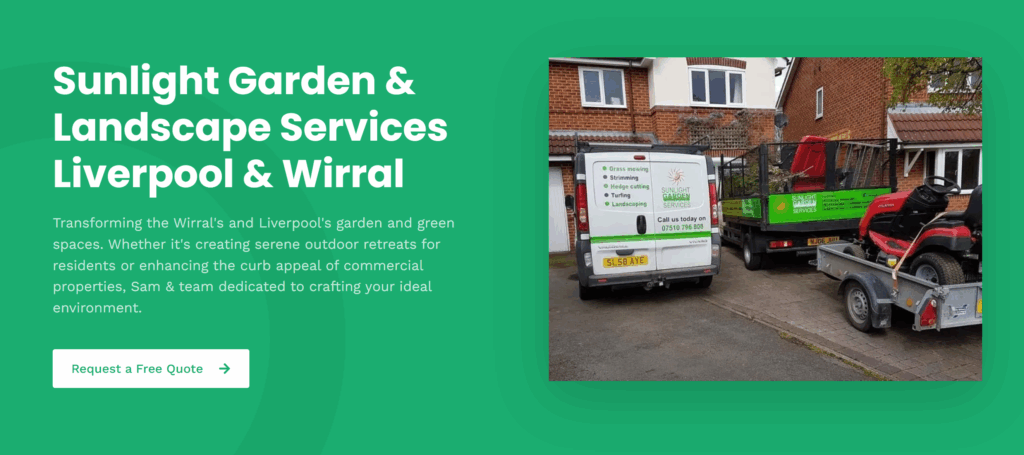
Sunlight Garden & Landscape Services is your go-to team for transforming gardens across Liverpool and the Wirral. Whether it’s garden maintenance, patio cleaning, lawn care, or installing wooden planters, Sam and his team deliver expert, tailored solutions.
Booking is simple—just request a free quote to discuss your needs. With a wide range of services and a commitment to quality, they make it easy to keep your garden looking its best all year round.
Call 07510 796808 or visit Unit 114, Argyle Industrial Estate, Tranmere, Birkenhead CH41 9HH to get started today.