
Landscape gardening is the art and practice of designing, creating, and maintaining outdoor spaces to enhance their beauty, functionality, and harmony with nature. It involves arranging both natural elements—such as plants, trees, and lawns—and built features like pathways, fences, water features, and garden structures to create an aesthetically pleasing and practical environment. Landscape gardening combines principles of horticulture (plant care) with landscape design to shape outdoor areas for relaxation, recreation, or visual enjoyment.
Landscape gardening focuses on enhancing the beauty, functionality, and usability of outdoor spaces, whether in residential gardens, commercial landscapes, or public parks. It involves thoughtful planning and design to ensure that the outdoor environment complements the site’s natural features while reflecting the owner’s tastes, lifestyle, and practical needs. As experienced landscape gardeners in Liverpool and the North West, Sunlight Garden Services understands how to bring these elements together seamlessly. We also offer a full range of related services, including hedge trimming, to help keep your outdoor space looking its best year-round.
Ultimately, the purpose of landscape gardening is to create outdoor spaces that are harmonious, functional, and visually stunning. It combines creative design with expert horticultural knowledge, covering every aspect from plant selection and garden layout to hardscaping, irrigation systems, and ongoing maintenance. By thoughtfully designing outdoor areas, landscape gardening transforms them into spaces for relaxation, enjoyment, and environmental sustainability.
1. Key Elements of Landscape Gardening
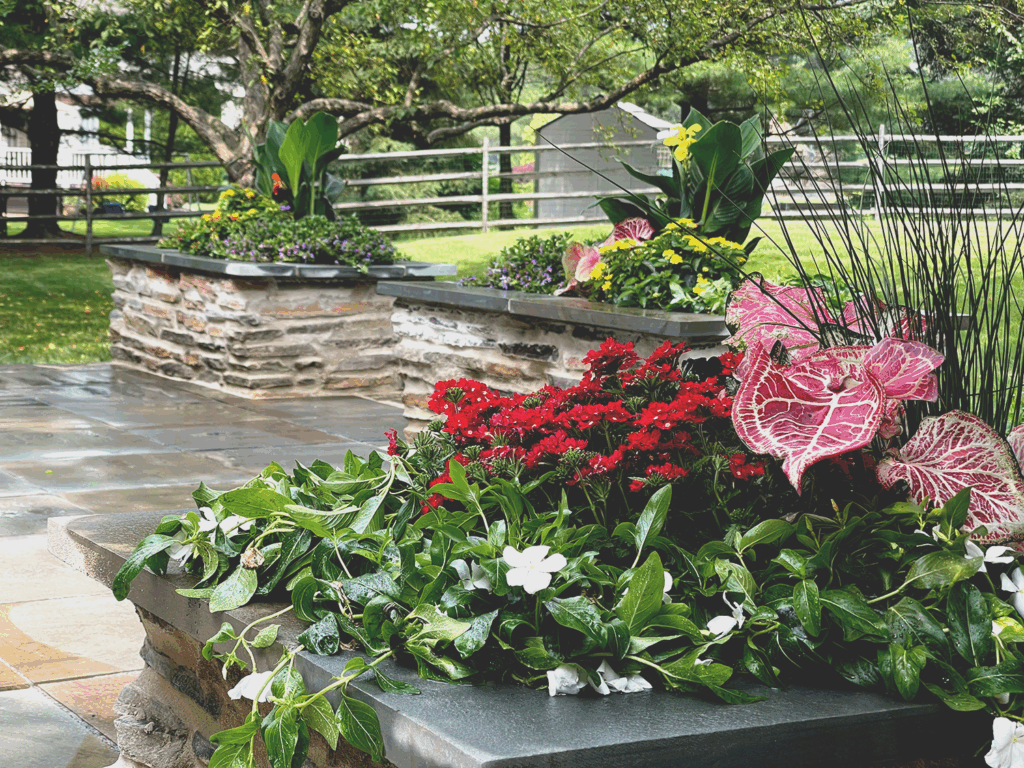
Creating a beautiful and functional outdoor space requires careful consideration of both natural and built elements. Landscape gardening incorporates several key components that work together to form a cohesive and inviting environment. Below are the essential elements of landscape gardening, each playing a unique role in shaping the overall design.
1.1. Hardscape Elements
Hardscape refers to the non-living structural features that provide form and functionality to your garden. These elements help define spaces, create pathways, and add architectural interest.
- Patios, Decks, Pathways, and Driveways: These surfaces not only improve accessibility but also enhance the aesthetic flow of a garden. Patios and decks provide areas for outdoor dining and relaxation, while pathways and driveways connect different parts of your property with style and practicality. Materials like stone, brick, concrete, or gravel are often used to complement the natural surroundings.
- Garden Walls, Fencing, Pergolas, and Water Features: Walls and fences add privacy and security, creating enclosed areas within the landscape. Pergolas and arbors introduce vertical interest and shaded walkways, perfect for climbing plants. Water features, such as ponds or fountains, bring a sense of tranquility and natural beauty.
These hardscape features form the “bones” of a landscape, giving it structure and flow.
1.2. Softscape Elements
Softscape refers to the living, horticultural components of a landscape. These elements bring color, texture, and seasonal change to your outdoor space.
- Lawns, Flower Beds, Shrubs, Trees, and Ground Covers: Carefully selected plants add beauty and support local biodiversity. Lawns create open, usable spaces, while flower beds and shrubs provide seasonal interest and habitat for pollinators. Trees offer shade and structure, and ground covers help prevent soil erosion and suppress weeds.
Softscape elements are where thoughtful gardening techniques really shine. Practices like no-dig gardening can help maintain healthy soil structure, promote plant growth, and reduce weed problems—all while supporting sustainability and ease of maintenance.
1.3. Lighting in the Landscape
Outdoor lighting enhances the garden’s appearance and safety, allowing you to enjoy your outdoor space after dark.
- Aesthetic Lighting: Uplighting on trees, soft pathway lights, and spotlighting of architectural features create mood and highlight key areas of the garden.
- Security Lighting: Motion-sensor lights or well-placed floodlights improve visibility and safety around entrances, pathways, and dark corners.
Proper lighting extends the usability of your landscape while creating a welcoming atmosphere.
1.4. Water Features
Water features add movement, sound, and tranquility to outdoor spaces, making them more peaceful and engaging.
- Ponds: Natural or formal ponds attract wildlife and reflect surrounding plants.
- Fountains & Waterfalls: Moving water adds soothing sound and visual interest.
- Reflecting Pools: These sleek, still bodies of water add elegance and calmness to a space.
The placement and design of water features must harmonize with the surrounding hardscape and softscape to maintain balance and cohesion.
1.5. Furniture and Decorative Accessories
Thoughtful placement of outdoor furniture and decor makes your garden more inviting and comfortable.
- Benches and Seating Areas: Offer places to sit, relax, and enjoy the surroundings.
- Sculptures and Art Pieces: Personalize the space and serve as focal points.
- Bird Baths and Planters: Add life and charm, while supporting birds and pollinators.
Regular garden maintenance ensures these features remain clean, safe, and visually appealing throughout the seasons. Ongoing care like weeding, pruning, and cleaning water features helps preserve the beauty and functionality of your outdoor space
2. Types of Landscape Gardening Styles

Landscape gardening encompasses a diverse range of styles, each offering unique aesthetics, plant choices, and design philosophies. Selecting the right style depends on your environment, personal taste, and the intended use of your outdoor space. Here’s a detailed look at some popular landscape gardening styles:
2.1. Formal Gardens
Formal gardens are defined by their structured, symmetrical layouts that convey order and elegance. This style is ideal for those who appreciate precision and balance in their outdoor spaces. Formal gardens often feature manicured hedges, geometric flower beds, and straight pathways that guide the eye and create a sense of harmony.
- Symmetrical and geometric design with balanced proportions
- Use of topiaries, clipped hedges, and classic statuary
- Defined pathways, often made of gravel, stone, or brick
- Focal points such as fountains or sculptures to anchor the design
Formal gardens require regular maintenance to keep the sharp lines and shapes pristine, making them a labor of love for dedicated gardeners.
2.2. Informal/Cottage Gardens
Informal or cottage gardens prioritize a relaxed, natural look, often filled with a vibrant mix of flowers, herbs, and shrubs that seem to grow freely. This style embraces imperfection and encourages biodiversity, creating a cozy, welcoming atmosphere that changes with the seasons. Informal gardens are perfect for gardeners who want a charming space with minimal rigid structure.
- Asymmetrical, flowing plant arrangements for a natural effect
- Rich variety of flowering plants, often including perennials and herbs
- Encourages beneficial insects and pollinators such as bees and butterflies
- Features like rustic fences, arbors, and garden paths made from natural materials
Gardening isn’t just a hobby—it’s also excellent exercise that benefits both body and mind. To learn more, check out the surprising health benefits of gardening.
2.3. Japanese Zen Gardens
Japanese Zen gardens take a minimalist approach, focusing on creating tranquil, meditative spaces using simple natural elements. The design emphasizes balance, symbolism, and harmony between man and nature. Key elements include carefully placed stones, raked gravel or sand representing water, moss, and minimal vegetation, often complemented by water features.
- Use of rocks, gravel, moss, and minimal planting for a serene setting
- Carefully arranged elements to symbolize natural landscapes
- Water features like small ponds or waterfalls to enhance calmness
- Clean lines and uncluttered spaces promoting mindfulness and reflection
Zen gardens are perfect for those seeking a quiet retreat within their own outdoor space.
2.4. Mediterranean Style Gardens
Mediterranean gardens are designed to thrive in warm, dry climates by incorporating drought-tolerant plants and rustic materials. This style is characterized by its earthy colors, terracotta accents, and relaxed, informal layouts that reflect the landscapes of Southern Europe. Mediterranean gardens combine practicality with beauty, using hardy plants that require minimal water and care.
- Drought-resistant plants such as lavender, rosemary, olive trees, and cypress
- Terracotta pots, gravel pathways, and wrought iron or wooden furniture
- Warm color palettes with natural stone and rustic textures
- Emphasis on outdoor living spaces like shaded patios and courtyards
This style is ideal for gardeners looking for a low-maintenance yet inviting garden that celebrates the outdoors.
2.5. Modern Minimalist Gardens
Modern minimalist gardens focus on simplicity and clean aesthetics, often using a restrained palette and carefully chosen plants. This style features sleek, geometric hardscaping elements paired with low-maintenance vegetation like succulents, ornamental grasses, and evergreens. The goal is to create a peaceful, uncluttered space that complements contemporary architecture.
- Clean lines and geometric shapes dominate the design
- Limited plant variety with emphasis on texture and form
- Use of materials like concrete, steel, and wood for hardscaping
- Minimal color schemes, often focusing on greens, greys, and whites
This style suits homeowners who prefer a calm, orderly outdoor environment with easy upkeep.
2.6. Wildlife-Friendly Gardens
Wildlife-friendly gardens are designed to support local ecosystems by providing food, shelter, and water for pollinators, birds, and other small animals. This style prioritizes native plants that attract beneficial insects and creates habitats that help maintain biodiversity. Avoiding chemical pesticides and incorporating natural features helps promote a healthy, thriving garden.
- Use of native plants that provide nectar, seeds, and shelter
- Incorporation of bird feeders, birdbaths, and insect hotels
- Water sources like small ponds or shallow dishes for wildlife
- Avoidance of harmful chemicals to protect garden fauna
Maintaining such gardens requires regular care to ensure plant health and habitat sustainability. Professional grounds maintenance services can support you in keeping your wildlife-friendly garden vibrant and flourishing throughout the year.
3. Essential Landscape Gardening Tips and Techniques
Successful landscape gardening depends not only on creativity but also on practical knowledge and effective techniques. Here are some essential tips to help you design, plant, and maintain a thriving outdoor space.

3.1. Planning and Design
Good landscape gardening starts with thorough planning and thoughtful design. Begin by assessing your site, including sunlight exposure, soil type, and available space. Understanding these factors helps you make informed decisions.
- Conduct a site assessment to evaluate sunlight patterns, soil condition, drainage, and space constraints.
- Draw a landscape plan that outlines where different elements will go, such as seating areas, pathways, and garden beds.
- Use zoning to divide your garden into functional spaces, such as relaxation zones, play areas, and vegetable patches, ensuring each area serves a clear purpose.
Careful planning reduces costly mistakes and results in a more cohesive and usable garden layout.
3.2. Soil Preparation and Improvement
Healthy soil is the foundation of any successful garden. Testing and improving your soil ensures plants get the nutrients they need to thrive.
- Perform soil testing to determine pH levels and nutrient content.
- Amend soil by adding organic matter such as compost to improve texture and fertility.
- Use mulching to retain moisture, regulate soil temperature, and suppress weeds.
Implementing these soil improvement techniques encourages strong root development and healthy plant growth.
3.3. Plant Selection
Choosing the right plants is crucial to a sustainable and attractive garden. Factors like climate, soil type, and maintenance needs should guide your selections.
- Select plants that are well-suited to your local climate and soil conditions.
- Balance your garden with a mix of perennials, annuals, shrubs, and trees to ensure year-round interest and structure.
- Incorporate native plants and drought-resistant varieties to conserve water and support local wildlife.
To learn more about eco-friendly planting methods, you might find this beginner-friendly guide to no-dig gardening very helpful.
3.4. Efficient Watering Techniques
Watering efficiently not only saves resources but also promotes healthier plants.
- Use drip irrigation or soaker hoses to deliver water directly to plant roots, reducing evaporation.
- Water early in the morning or late in the evening to minimize water loss.
- Implement water conservation practices like collecting rainwater and grouping plants with similar watering needs together.
These techniques help create a sustainable garden that thrives even during dry periods.
3.5. Pruning and Maintenance
Regular maintenance keeps your landscape looking its best and supports plant health.
- Follow a seasonal pruning schedule to remove dead or diseased branches and encourage growth.
- Maintain lawns with regular mowing, aeration, and fertilization, and keep weeds under control through manual removal or mulching.
- Keep garden beds tidy by deadheading spent flowers and removing debris.
Consistent care ensures your garden remains vibrant and inviting throughout the year.
3.6. Sustainable Landscaping Practices
Sustainability is increasingly important in landscaping to protect the environment and reduce maintenance.
- Install rain gardens to manage stormwater runoff and improve soil health.
- Practice xeriscaping by using drought-tolerant plants and minimizing water use.
- Compost garden waste to create nutrient-rich soil amendments.
- Use recycled materials for hardscaping and garden features to reduce environmental impact.
Adopting sustainable practices supports the ecosystem and reduces your garden’s carbon footprint.
4. Creating Functional Outdoor Spaces

A well-designed garden isn’t just about beauty—it also needs to serve practical purposes. Creating functional outdoor spaces allows you to enjoy your garden to the fullest, whether you want to entertain guests, relax, or provide a safe area for children.
4.1. Outdoor Living Areas
Outdoor living spaces such as patios, decks, pergolas, and even outdoor kitchens extend your home’s usable area and encourage spending more time outside. These areas can be designed for dining, entertaining, or simply relaxing.
- Patios and decks provide flat, durable surfaces perfect for furniture and social gatherings.
- Pergolas offer shade and structure while adding aesthetic appeal.
- Outdoor kitchens and BBQ areas make alfresco cooking convenient and enjoyable.
Careful planning ensures these spaces blend seamlessly with your garden design while enhancing functionality.
4.2. Paths and Walkways
Paths and walkways guide visitors through your garden and define the flow between different zones. Choosing the right materials and layout is key to combining practicality with beauty.
- Popular materials include natural stone, brick, gravel, and pavers, each offering unique textures and styles.
- Design paths to flow naturally, connecting key areas like patios, flower beds, and entrances.
- Consider safety and accessibility when planning widths, surfaces, and lighting along walkways.
Well-maintained paths contribute to your garden’s overall structure and ease of use.
4.3. Play & Relaxation Zones
Creating dedicated spaces for play and relaxation caters to both family fun and personal rejuvenation.
- Design safe play areas with soft ground surfaces, clear visibility, and age-appropriate equipment to keep children entertained and secure.
- Include quiet zones with comfortable seating, water features, or meditation spots for relaxation and stress relief.
Proper landscaping can ensure these zones are both functional and harmonious with the rest of the garden.
Maintaining a clean and well-functioning outdoor space also means taking care of elements like gutters to prevent water damage and keep your garden healthy. For professional help, consider our reliable gutter cleaning services.
5. Seasonal Landscape Gardening Tips
Landscape gardening requires adapting your care routines throughout the year to keep your garden healthy, vibrant, and resilient to changing conditions. Here’s a seasonal guide to help you stay on top of garden maintenance.

5.1. Spring Preparation
Spring is the ideal time to prepare your garden for growth after winter dormancy.
- Begin with soil conditioning by aerating and adding compost or fertilizers to replenish nutrients.
- Plant new flowers, shrubs, and trees suited for the upcoming season.
- Revive your lawn by overseeding bare patches and applying a spring fertilizer to encourage lush growth.
Effective spring lawn care is essential to establishing a strong foundation for the rest of the year. For expert assistance, check out our lawn care services.
5.2. Summer Maintenance
Summer’s heat and sun demand careful watering and pest management.
- Use efficient watering techniques like drip irrigation to keep plants hydrated without waste.
- Monitor for pests and diseases regularly, applying organic or chemical controls as necessary.
- Mulch garden beds to retain moisture and reduce weed growth.
Timely summer care helps your garden withstand heat stress and stay healthy.
5.3. Autumn Clean-Up
As plants prepare for dormancy, autumn is the time to tidy and protect your garden.
- Remove fallen leaves and garden debris to prevent disease buildup.
- Prune back perennials and shrubs to shape plants and encourage healthy growth next year.
- Plant bulbs like tulips and daffodils for spring blooms.
Autumn tasks set the stage for a vibrant garden in the coming seasons.
5.4. Winter Protection
Winter brings cold and sometimes harsh weather that can damage plants and structures.
- Protect vulnerable plants with mulch, fleece covers, or moving pots indoors.
- Check and reinforce garden structures like fences and greenhouses to withstand winter storms.
- Clear gutters and drainage areas to prevent blockages caused by falling leaves.
Preparing your garden for winter ensures it emerges healthy and ready to thrive come spring.