
Too long, didn’t read
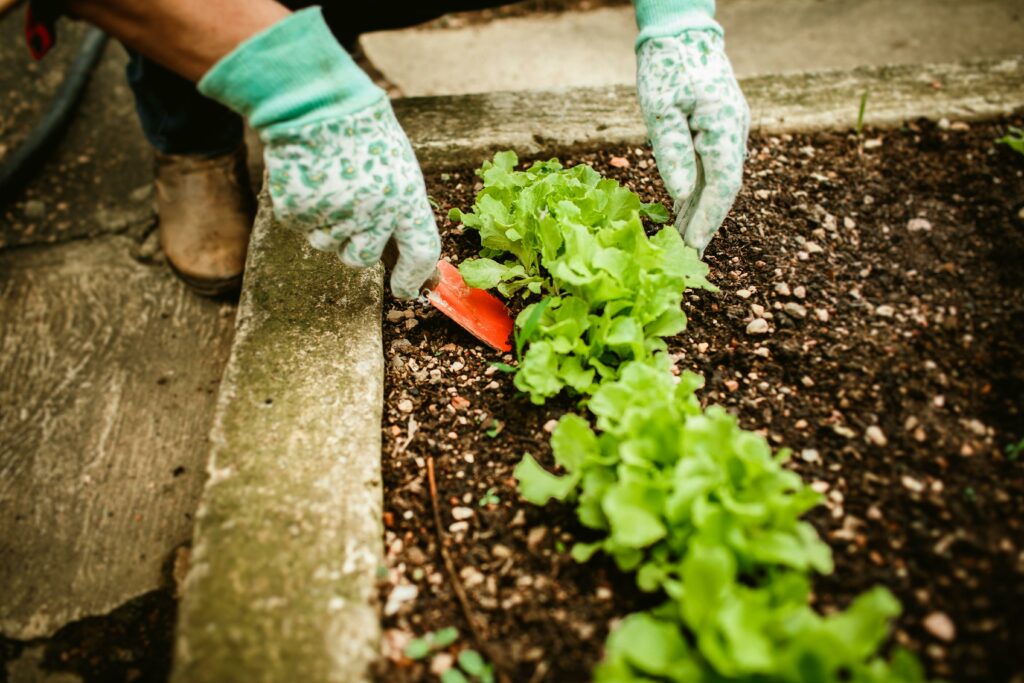
Gardening burns 200–400 calories per hour depending on the task. Digging through Wirral clay, lugging waste bags at a South Liverpool terrace, or scarifying a moss-covered Merseyside lawn all put you at the top end of that range. Lighter jobs like potting plants or deadheading sit lower down — but they still count.
Rather let us do the hard work? Call Sam and the crew on 07510 796808 or get a free quote.
Every spring across Wirral and Liverpool, gardens that have been battered by months of wet Merseyside weather need sorting out. Whether you’re digging up that dense clay soil in Bromborough, clearing brambles in Bebington, or pushing a mower round a terrace garden in South Liverpool — you’re burning real calories. It just doesn’t always feel like exercise because the garden looks better at the end of it.
The bending, squatting, lifting, and walking involved in a proper garden session adds up fast. In our experience out on jobs across Wirral and Liverpool since 2011, a morning of clearance work — bagging up hedge cuttings, shifting compost, edging borders — is the equivalent of a decent gym session. Here’s the breakdown, task by task.
1. Gardening as Physical Activity
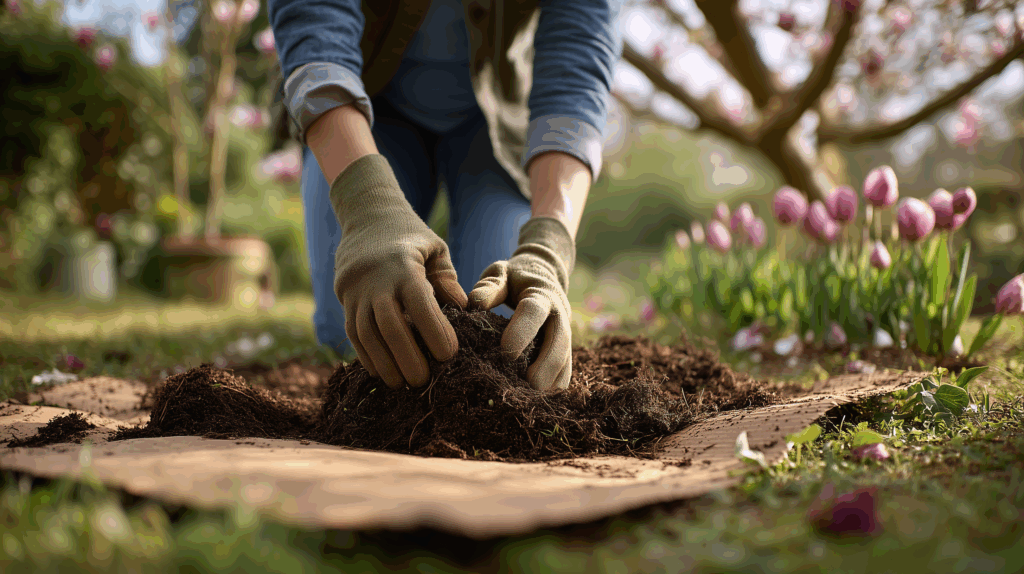
Gardening is more than just a peaceful way to spend your weekend-it’s recognized by health experts as a form of moderate physical activity. According to the Centers for Disease Control and Prevention (CDC), tasks such as raking leaves, digging, or planting are comparable to activities like brisk walking or light aerobics when it comes to physical exertion. That means your time in the garden doesn’t just benefit your plants-it benefits your body too.
A Full-Body Workout (Without the Gym)
While gardening may not look like traditional exercise, it involves a surprising range of muscle groups. You engage your arms, shoulders, legs, back, and core while doing everything from lifting soil bags to weeding garden beds. Movements like squatting, reaching, twisting, and carrying help improve flexibility, endurance, and functional strength.
These activities naturally align with many fitness goals:
- Squatting and bending while weeding can build leg and core strength.
- Digging and shoveling strengthen your arms and shoulders.
- Lifting compost or mulch bags mimics strength training.
- Pushing a wheelbarrow provides cardio and resistance in one go.
If you’re already involved in regular garden maintenance, chances are you’re getting more of a workout than you think.
How Long Do You Need to Garden for Health Benefits?
The World Health Organization (WHO) recommends adults get at least 150 minutes of moderate-intensity activity per week. A few 30-minute gardening sessions throughout the week can help you easily meet-or exceed-that goal. Plus, unlike jogging or hitting the gym, gardening has the added perk of producing something tangible and beautiful in return for your efforts.
More Than Just Physical Health
In addition to its calorie-burning benefits, gardening supports overall well-being. Studies have shown that regular time spent outdoors can reduce stress, improve mood, and lower the risk of chronic illnesses. It’s a unique combination of movement, mindfulness, and nature exposure that few other workouts can offer.
So yes-gardening absolutely counts as exercise, and it’s a highly underrated way to stay active, healthy, and happy.
2. Factors That Affect Calories Burned
How many calories you burn while gardening isn’t fixed-it varies depending on several factors. Whether you’re digging trenches or simply watering plants, your activity level plays a big role in how effective gardening can be as a form of exercise.
Here are the key factors that influence how much energy you expend in the garden:
???? Your Body Weight
The heavier you are, the more calories you burn during physical activity. For example, a 185-pound person can burn around 200-300 calories per hour doing moderate gardening, while someone weighing 135 pounds may burn closer to 150-200.
???? Type of Gardening Task
Not all garden chores are equal. Some are light and meditative, while others are surprisingly intense:
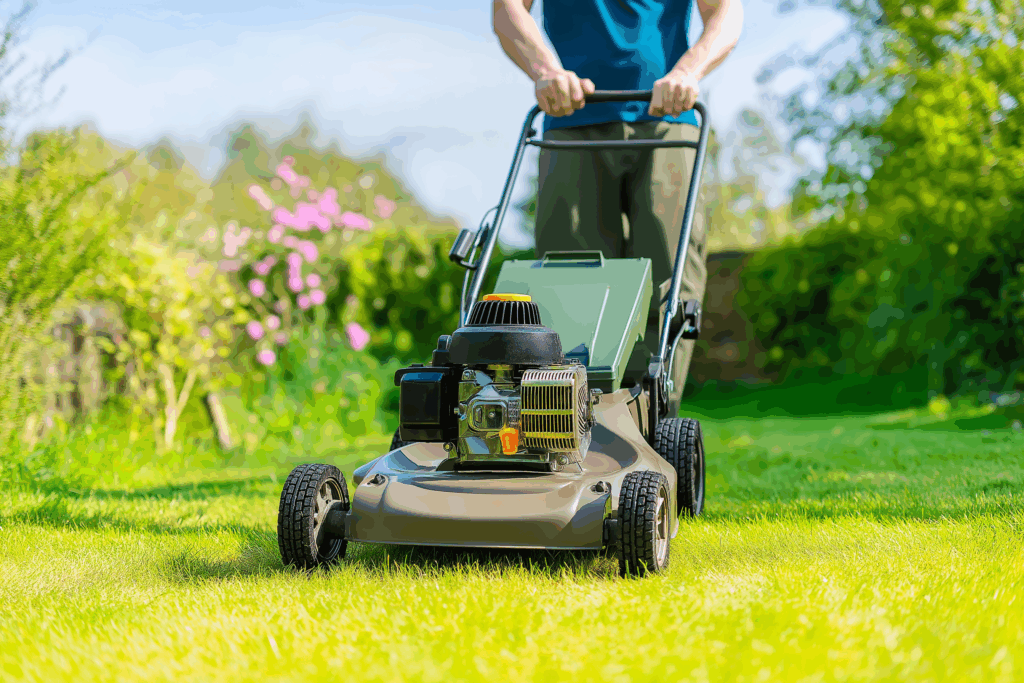
- High-calorie tasks: Digging, raking, mowing the lawn, and garden waste clearance often involve lifting, squatting, and carrying-activities that engage multiple muscle groups.
- Moderate tasks: Weeding, planting, pruning, and watering still burn calories, just at a slower rate.
- Low-intensity tasks: Observing, planning layouts, or harvesting light produce offer more passive benefits.
?? Duration and Intensity
The longer and harder you work, the more you burn. A vigorous 30-minute digging session will be more calorie-intensive than an hour of casual pruning. Boost intensity by:
- Using hand tools instead of power tools
- Incorporating movement like walking or squatting more frequently
- Taking fewer breaks during activity bursts
???? Outdoor Conditions
Environmental factors can make gardening more demanding:
- Hot weather increases cardiovascular effort
- Wind or uneven ground forces stabilizer muscles to work harder
- Early mornings are cooler and may result in slightly reduced exertion
??????? Age and Fitness Level
Your metabolism and muscle tone affect how your body handles physical effort. Younger, fitter individuals often burn more-but gardening remains beneficial at any age and fitness level when done consistently.
3. Calories Burned by Common Gardening Tasks
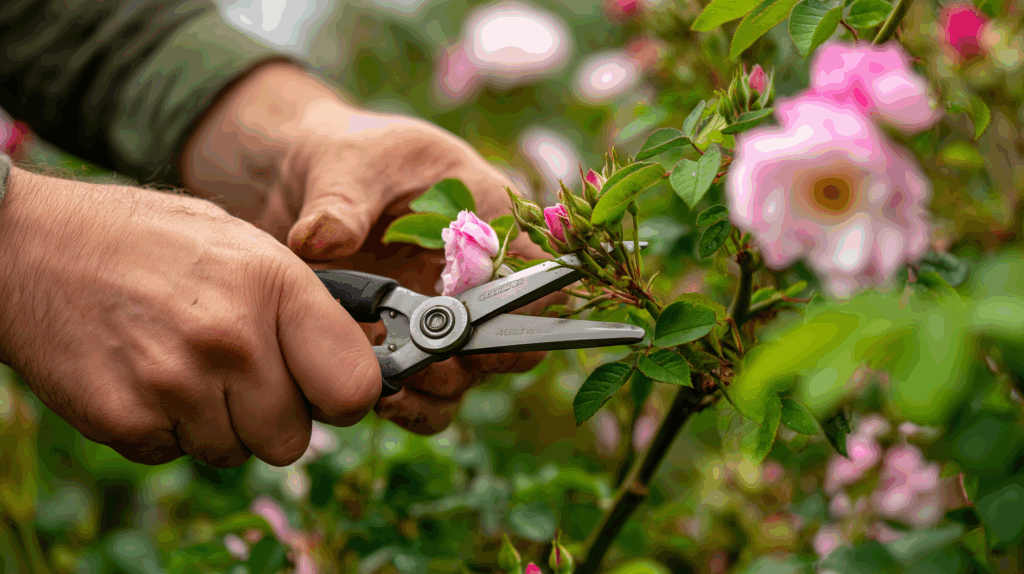
Gardening tasks vary widely in intensity, so the number of calories burned depends on what you’re doing and how vigorously. Below, we break down some typical gardening activities and the approximate calories burned per 30 minutes for an average person weighing around 155 pounds (70 kg). Keep in mind, your personal burn rate may vary based on weight, effort, and technique.
Digging and Shoveling
Digging soil and shoveling compost or mulch are among the most strenuous gardening activities. These tasks require strength and endurance as you work large muscle groups.
- Calories burned: Approximately 180-250 calories per 30 minutes
- Digging engages your arms, shoulders, back, and legs, offering a great combination of strength and cardio.
Weeding and Planting
While less intense than digging, weeding and planting still involve a good amount of bending, squatting, and repetitive motion.
- Calories burned: About 120-160 calories per 30 minutes
- These tasks help improve flexibility and muscle tone, especially in the core and legs.
Mowing the Lawn (Push Mower)
Pushing a lawn mower is a solid cardiovascular workout, especially on uneven terrain or large areas.
- Calories burned: Roughly 165-220 calories per 30 minutes
- This activity boosts endurance and strengthens your legs, arms, and core.
Raking Leaves
Raking is a rhythmic activity that engages your upper body and core muscles.
- Calories burned: Around 130-180 calories per 30 minutes
- It’s excellent for shoulder strength and stamina.
Watering Plants
Watering tends to be a low-intensity task but can still burn calories if done actively, such as carrying watering cans or moving hoses.
- Calories burned: Approximately 90-120 calories per 30 minutes
- Best combined with other tasks to increase overall activity.
Garden Waste Clearance
Clearing debris, hauling branches, and bagging garden waste is physically demanding and burns significant calories.
- Calories burned: About 180-240 calories per 30 minutes
- This involves lifting, bending, and walking-similar to a moderate workout.
If you’re looking for expert gardening service in Liverpool to help maintain or optimize your garden while staying active, this service offers tailored solutions for all your outdoor needs.
By mixing these tasks during your gardening sessions, you can achieve a balanced workout that’s both enjoyable and effective. Plus, the bonus of beautifying your outdoor Decking with help from Sunlight Garden Services makes it all worthwhile!
4. How to Maximize Calories Burned While Gardening

Gardening is already a fantastic way to stay active, but with a few smart strategies, you can boost the calorie burn and get even more health benefits. Whether you’re a casual gardener or spend hours in the soil, these tips can help you turn your garden time into a mini workout.
1. Increase Your Intensity
- Pick tasks that require more effort, such as digging, raking, or carrying heavy loads.
- Move at a brisk pace between tasks instead of lingering or taking long breaks.
- Use hand tools instead of power tools whenever possible to engage more muscles.
2. Incorporate Full-Body Movements
- Squat, lunge, and bend properly when planting or weeding to activate your legs and core.
- Stretch your arms fully when reaching or pruning.
- Walk around your garden instead of staying in one spot.
3. Use Proper Technique
- Maintain good posture to avoid injury and engage your muscles efficiently.
- Keep your back straight when lifting or digging.
- Use your legs to lift heavy objects instead of your back.
4. Add Short Bursts of Cardio
- Include short jogging or brisk walking intervals while moving around your garden.
- Skip in place or do quick side steps during breaks to keep your heart rate up.
5. Extend Your Gardening Sessions
- Try to spend at least 30 to 60 minutes gardening per session to maximize calorie burn.
- Break your garden work into multiple sessions throughout the day if needed.
6. Stay Hydrated and Take Breaks
- Drinking water helps maintain your energy and keeps your muscles working effectively.
- Take short breaks when needed, but keep them brief to maintain your activity level.
7. Track Your Activity
- Use a fitness tracker or app to monitor calories burned and steps taken.
- Tracking helps you stay motivated and see progress over time.
By applying these strategies during your gardening time, you can enjoy all the physical benefits of garden work while also burning more calories.
5. Health Benefits of Gardening Beyond Calories
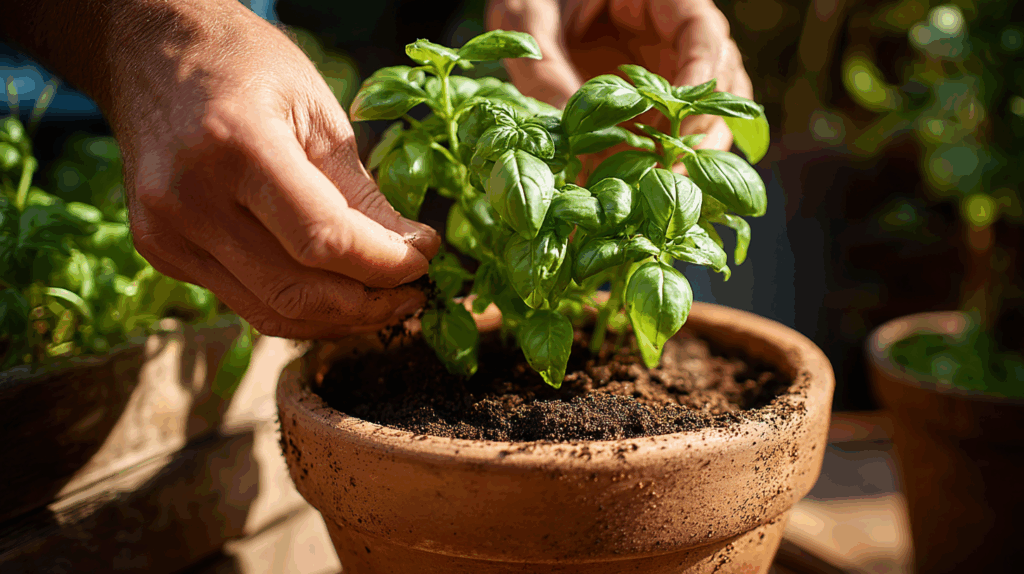
Gardening offers much more than just burning calories. It’s a wholesome activity that supports your physical, mental, and emotional well-being in many ways. Whether you’re tending to flowers, vegetables, or shrubs, gardening nurtures your body and mind simultaneously.
Mental Health Benefits
Spending time outdoors in your garden can significantly reduce stress and anxiety levels. The fresh air, natural surroundings, and gentle physical activity create a calming environment that promotes relaxation and improves mood.
Physical Benefits
Gardening helps build strength and flexibility by engaging various muscle groups through different movements like digging, planting, and pruning. This functional exercise enhances your overall mobility and helps prevent injuries in daily life.
- Improves muscle tone and endurance
- Enhances joint flexibility and range of motion
- Supports cardiovascular health by encouraging moderate physical activity
Vitamin D Boost
Exposure to sunlight during gardening sessions helps your body produce vitamin D, which is essential for bone health, immune support, and mental well-being.
Social and Emotional Rewards
Gardening can foster social connections when shared with family, friends, or local community groups. Caring for plants and seeing your efforts grow brings a strong sense of accomplishment and purpose.
Cognitive and Mindfulness Benefits
Gardening requires focus and planning, which sharpens memory, attention, and problem-solving skills. It also encourages mindfulness by keeping you present in the moment, which can reduce mental fatigue.
To maintain a thriving garden that continues to offer these benefits, regular grounds maintenance is essential. Keeping your outdoor space healthy ensures you can enjoy gardening as a rewarding and calorie-burning activity year-round.
6. Tips for Safe and Enjoyable Gardening
Gardening is a wonderful activity, but it’s important to keep safety and comfort in mind to avoid injuries and stay motivated over time. Here are some key tips for safe, effective, and enjoyable gardening:
Wear Appropriate Clothing and Gear
- Use gloves to protect your hands from thorns, dirt, and blisters.
- Wear sturdy shoes with good support to protect your feet.
- Use a hat and sunscreen to shield yourself from harmful UV rays.
Practice Good Posture
- Bend your knees when lifting heavy objects to avoid back strain.
- Use ergonomic tools designed to reduce stress on your hands and wrists.
- Take breaks to stretch and avoid repetitive strain injuries.
Stay Hydrated
- Drink plenty of water before, during, and after gardening sessions, especially in warm weather.
- Avoid caffeine or alcohol which can dehydrate you.
Pace Yourself
- Don’t overdo it-start slow and gradually increase your gardening time and intensity.
- Alternate between different tasks to prevent muscle fatigue.
Be Mindful of Allergies and Pests
- Know what plants or insects you may be allergic to and take precautions.
- Wear protective clothing or use natural repellents if needed.
Keep Your Tools Clean and Sharp
- Regularly clean and maintain your gardening tools to prevent infections and make work easier.
- Store tools safely when not in use to avoid accidents.
By following these simple tips, you can make your gardening sessions both enjoyable and safe. Whether you’re planting a new flower bed or clearing old garden waste, taking care of yourself is just as important as taking care of your plants.
For additional support with garden upkeep or to get your outdoor space in top shape, consider professional Expert Garden Maintenance & Lawn Care Liverpool
Summer maintenance slots are filling up
June to August is our busiest period across Liverpool and Wirral. If you want regular fortnightly visits, get in touch now to secure your slot before the diary fills.
Related Services from Sunlight
Garden Maintenance →
Regular fortnightly or monthly visits across Wirral and Liverpool. Mowing, weeding, edging, and tidying.
Garden Waste Clearance →
One-off clearances for overgrown gardens, post-project tidy-ups, or annual autumn clear-outs.
Lawn Care →
Scarifying, aeration, overseeding, and moss treatment for Liverpool and Wirral lawns.
We handle the hard work. You enjoy the garden.
From fortnightly lawn maintenance in Heswall to full garden clearances in South Liverpool — if you’d rather get a tidy garden without doing the graft yourself, that’s exactly what we’re here for. Honest quotes, proper job, tidy finish.
Free quote, no obligation. Fully insured. Google 4.5★.
Serving Birkenhead, Bebington, Bromborough, Heswall, West Kirby, Wallasey, Liverpool city centre, Aigburth, Crosby, and surrounding areas since 2011.
Frequently Asked Questions
How many calories does gardening burn per hour?
Most gardening burns 200–400 calories per hour. Light tasks like planting or weeding sit around 200–250 kcal/hr. Heavier work — digging, mowing a large lawn, or carrying waste — can reach 350–400 kcal/hr. These figures vary with body weight and how vigorously you work.
Which gardening tasks burn the most calories?
Digging and double-digging top the list at around 400 kcal/hr. Shovelling, raking, and carrying heavy garden waste are close behind. On Wirral clay soil, even basic digging is significantly harder than on lighter soils — so you’re burning more than the average figures suggest.
Is gardening good exercise for older people in Liverpool and Wirral?
Yes — gardening is one of the best low-impact exercises for people of all ages. It improves strength, balance, and flexibility without the joint stress of running or gym work. For lighter tasks, it’s ideal. For heavier work like digging or carrying — particularly on the clay-heavy soils common across Wirral and Merseyside — pace yourself and don’t strain your back.
How much does garden maintenance cost in Liverpool or Wirral?
A fortnightly maintenance visit with Sunlight Garden Services typically runs £30–£60 depending on garden size. A one-off garden tidy costs £100–£250 for a standard-sized garden. Call us on 07510 796808 for a free, no-obligation quote specific to your garden.
Can I book a one-off garden tidy rather than a regular contract?
Yes — we do both. One-off garden tidies and clearances are one of our most popular entry-point jobs, particularly after a wet Merseyside winter. No ongoing commitment needed. Call 07510 796808 or use our contact form to get a free quote.