

Permaculture gardening is a way of growing plants that works with nature instead of against it. It’s about designing a garden where every element—plants, soil, water, and wildlife—supports each other, creating a balanced and self-sustaining ecosystem. Unlike traditional gardening, which often relies on chemicals and intensive upkeep, permaculture focuses on organic methods, soil health, companion planting, and eco-friendly practices that make your garden productive and resilient. By following these principles, you can grow fruits, vegetables, and flowers while conserving resources and supporting biodiversity.
Creating a sustainable home garden through permaculture means thinking long-term and working smarter, not harder. Simple techniques like mulching can make a huge difference—it helps retain soil moisture, suppress weeds, and improve fertility naturally. When combined with companion planting, natural pest control, and water-saving practices, permaculture allows you to enjoy a low-maintenance, eco-friendly garden that thrives year after year.
What is Permaculture?
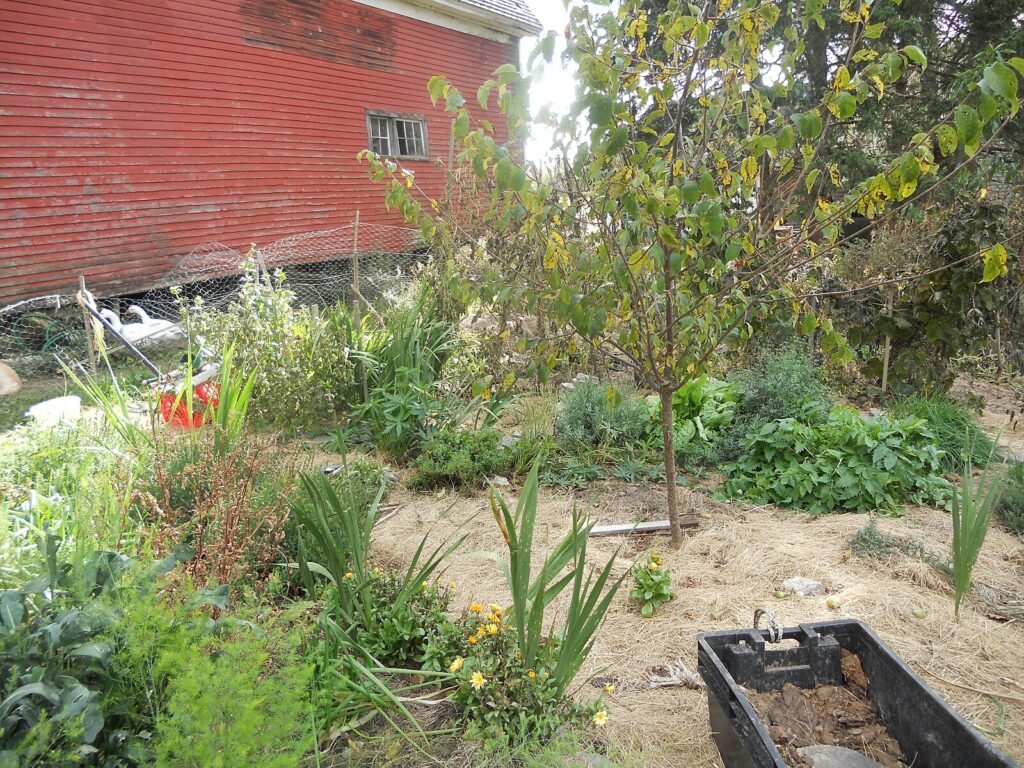
Permaculture is a design philosophy for creating sustainable, self-sufficient ecosystems in gardens, farms, and communities. Coined in the 1970s by Bill Mollison and David Holmgren in Australia, the term combines “permanent” and “agriculture.” The philosophy encourages working with nature rather than against it, observing natural patterns, and designing landscapes that conserve resources, support biodiversity, and reduce waste.
Unlike traditional gardening, which often relies on regular watering, chemical fertilizers, and pest control, permaculture focuses on creating resilient systems. Even compared with organic gardening, which avoids synthetic chemicals, permaculture takes a holistic approach: every element in your garden should serve multiple purposes. For example, a single tree might provide shade, food, habitat for pollinators, and help retain soil moisture.
The principles of permaculture guide gardeners in creating productive, low-maintenance, and eco-friendly gardens. While there are twelve core principles, they can be summarized as actionable guidelines:
- Observe and interact: Learn from nature before making changes.
- Catch and store energy: Use sunlight, water, and other resources efficiently.
- Obtain a yield: Design your garden to provide food, flowers, or other benefits.
- Apply self-regulation and accept feedback: Monitor what works and adjust.
- Use renewable resources and services: Minimize dependency on external inputs.
- Produce no waste: Compost, recycle, and reuse wherever possible.
- Design from patterns to details: Understand the big picture before implementing small elements.
- Integrate rather than segregate: Encourage mutually beneficial relationships among plants and animals.
- Use small and slow solutions: Start small and build resilient systems gradually.
- Value diversity: Include a variety of species to strengthen your garden ecosystem.
- Use edges and value the marginal: Utilize every space efficiently, including overlooked areas.
- Creatively respond to change: Be adaptable and innovative when challenges arise.
By following these principles, home gardeners can move from reactive problem-solving to proactive garden design. Integrating regular garden maintenance helps keep the garden healthy, productive, and easier to manage over time. Permaculture allows you to create a sustainable home garden that is not only eco-friendly but also abundant, beautiful, and resilient.
Why Choose Permaculture Gardening?
Permaculture gardening isn’t just about growing plants—it’s a way to create a healthier environment while enjoying a productive and resilient home garden. Its benefits span environmental, economic, and personal health aspects, making it an appealing choice for eco-conscious gardeners.
Environmental Benefits:
Permaculture gardens focus on improving soil health and supporting biodiversity. By using techniques like composting, companion planting, and strategic plant layering, gardeners can:
- Enrich the soil naturally and reduce erosion.
- Provide habitats for beneficial insects and pollinators.
- Minimize the use of chemical fertilizers and pesticides.
Over time, these practices create vibrant ecosystems that work in harmony with nature.
Cost-Effectiveness:
A well-designed permaculture garden can save money in the long run. Key advantages include:
- Reduced spending on fertilizers and pesticides.
- Growing your own fruits, vegetables, and herbs to cut grocery bills.
- Efficient use of garden resources, including proper management of leftover plant material through garden waste clearance, keeping the space tidy and eco-friendly.
Resilience to Climate Change:
Permaculture designs gardens to withstand environmental fluctuations. By incorporating diverse plantings, mulch layers, and water-efficient methods, gardeners can:
- Maintain productivity during droughts or heavy rains.
- Reduce vulnerability to temperature extremes.
- Ensure a more consistent harvest year after year.
Personal Health and Productivity Benefits:
Beyond environmental and financial gains, permaculture gardening enhances well-being:
- Encourages regular physical activity through gardening tasks.
- Reduces stress and fosters a connection with nature.
- Provides fresh, nutritious produce, increasing the garden’s overall productivity.
By combining these environmental, economic, and personal advantages, permaculture gardening offers a sustainable approach that benefits both you and the planet. Choosing this method allows gardeners to enjoy a low-maintenance, eco-friendly, and abundant home garden designed for long-term resilience and satisfaction.
Core Principles of Permaculture Gardening
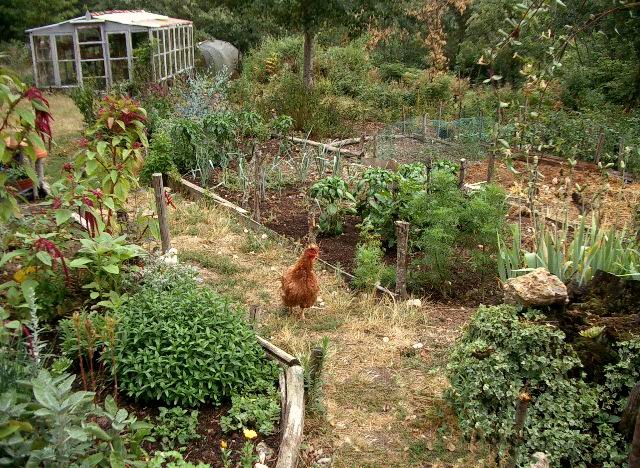
Permaculture gardening is built on twelve core principles that guide gardeners in designing sustainable, productive, and resilient ecosystems. While each principle has broad applications, they can all be adapted for a home garden to improve soil health, conserve water, and increase biodiversity. Understanding these principles helps gardeners move from reactive problem-solving to proactive, eco-friendly garden design.
1. Observe and Interact
Observation is the foundation of permaculture. Spend time watching how sunlight moves across your garden, how water flows, and how plants and insects interact.
Example: Notice which areas of your garden are shaded or receive heavy rainfall, then plant species accordingly, such as shade-loving ferns under trees or water-tolerant vegetables in low-lying areas.
2. Catch and Store Energy
Harnessing and storing energy reduces dependence on external inputs. This can be solar, water, or organic matter.
Example: Collect rainwater in barrels for irrigation or plant fruit trees to capture sunlight efficiently.
3. Obtain a Yield
Design your garden to provide useful outputs, whether food, flowers, or materials.
Example: Grow herbs like basil and thyme along pathways for easy harvest while also attracting pollinators.
4. Apply Self-Regulation and Accept Feedback
Monitor the outcomes of your gardening decisions and adjust accordingly.
Example: If a particular crop attracts pests repeatedly, consider rotating plants or introducing companion plants that repel insects naturally.
5. Use and Value Renewable Resources and Services
Prioritize resources that regenerate naturally rather than depleting finite resources.
Example: Compost kitchen scraps to enrich soil, reducing the need for chemical fertilizers.
6. Produce No Waste
Permaculture encourages turning waste into resources.
Example: Leaves and pruned branches can be turned into mulch or compost, keeping garden waste under control while improving soil fertility.
7. Design From Patterns to Details
Understand natural patterns before implementing detailed planting schemes.
Example: Plant taller trees on the northern side of your garden to shade shorter plants and reduce water evaporation.
8. Integrate Rather Than Segregate
Encourage beneficial relationships among plants and animals.
Example: Plant nitrogen-fixing legumes next to vegetables that need enriched soil, or combine flowers and vegetables to attract pollinators and repel pests.
9. Use Small and Slow Solutions
Start small and expand gradually to avoid overwhelming the system.
Example: Begin with a small raised bed and expand over time, observing what grows best and which techniques work.
10. Use and Value Diversity
A diverse garden is more resilient to pests, disease, and climate variation.
Example: Include a variety of crops, flowers, and shrubs to reduce the risk of complete failure from pests or weather extremes.
11. Use Edges and Value the Marginal
Edges are zones of high productivity where two ecosystems meet.
Example: Plant herbs along fence lines or water edges to utilize space efficiently and create microhabitats for beneficial insects.
12. Creatively Respond to Change
Adaptability ensures long-term success.
Example: If a previously sunny spot becomes shaded due to tree growth, replace sun-loving plants with shade-tolerant species rather than forcing the original planting to survive.
By applying these twelve principles, home gardeners can create a permaculture garden that is self-sustaining, productive, and resilient. Each principle reinforces the others: observing carefully helps you catch and store energy effectively, while valuing diversity strengthens resilience to pests, climate changes, and soil depletion.
Planning Your Sustainable Home Garden

A successful sustainable home garden starts with good planning. By carefully assessing your space, organizing it into efficient zones, and choosing the right plants, you can design a garden that is productive, eco-friendly, and easy to maintain.
Assessing Your Space
Before planting, take time to understand your garden’s unique conditions. This step ensures you choose plants and layouts that thrive naturally rather than working against the environment. Consider:
- Size: How much space is available? Small gardens may benefit from vertical planting or raised beds, while larger gardens allow for orchards, compost areas, and wildlife zones.
- Sunlight: Track how sunlight moves through your garden. South-facing areas are ideal for vegetables, while shaded corners can host herbs like mint or leafy greens.
- Soil Type: Test your soil’s texture and fertility. Sandy soil drains quickly, while clay retains moisture. Amending soil with compost improves both types.
- Climate: Local weather patterns—rainfall, frost dates, and temperature ranges—determine which plants will flourish.
Garden Zoning
Zoning is a key permaculture principle that organizes your garden into areas based on how often you use them. This saves time, energy, and resources.
- Zone 1 (high-use): Closest to your home—ideal for herbs, salad greens, and frequently harvested vegetables.
- Zone 2: Fruit bushes, larger vegetable beds, and a small compost bin.
- Zone 3: Less frequently visited—orchards, grain crops, or larger composting areas.
- Zone 4: Semi-wild areas for wood, forage, or wildlife habitat.
- Zone 5: A natural space left untouched to observe ecosystems and biodiversity.
Choosing Plants
A thoughtful plant selection increases productivity and resilience.
- Perennials vs. Annuals: Perennials such as berry bushes or asparagus return year after year, reducing planting effort. Annuals like tomatoes or lettuce provide variety but require replanting.
- Companion Planting: Pairing plants can improve growth and reduce pests. For example, planting basil with tomatoes enhances flavor and deters insects, while beans enrich soil with nitrogen for corn or squash.
Water and Energy-Efficient Design
Sustainability relies on conserving water and reducing energy use. Design features that help include:
- Rainwater Harvesting: Collect rainwater in barrels to irrigate your garden.
- Mulching: Cover soil with organic material to retain moisture, suppress weeds, and regulate soil temperature.
- Drip Irrigation: Directs water to plant roots, reducing waste compared to overhead watering.
- Natural Shade and Windbreaks: Plant trees or hedges to create microclimates, protect delicate crops, and reduce evaporation.
- Renewable Energy Use: Solar lights or small pumps can reduce reliance on non-renewable energy.
Tying It All Together
Planning your garden carefully ensures it thrives year after year while staying low-maintenance and eco-friendly. By assessing your space, organizing it into zones, choosing resilient plants, and incorporating water-saving techniques, you create a sustainable system that works in harmony with nature. For more insights on design strategies that balance beauty and practicality, you may also find this guide on landscape gardening tips and techniques helpful.
Soil Health and Composting in Permaculture Gardening: Building the Foundation of a Thriving Garden

Healthy soil is the cornerstone of any successful permaculture garden. Unlike conventional gardening, which often relies on chemical fertilizers, permaculture emphasizes working with the soil as a living system. Rich, fertile soil not only nourishes plants but also improves water retention, supports beneficial organisms, and builds long-term garden resilience. By nurturing soil health, gardeners create a strong foundation that reduces the need for external inputs and fosters a truly sustainable home garden.
Composting: Recycling Nature’s Nutrients
Composting is one of the most effective ways to enrich soil naturally. By breaking down organic matter such as vegetable scraps, leaves, and grass clippings, compost adds essential nutrients back into the earth. It also improves soil structure, helping sandy soils retain water and clay soils drain more effectively. A small compost bin or pile in your garden provides a constant supply of organic fertilizer while reducing household waste. For larger outdoor areas, combining composting with regular grounds maintenance ensures soil stays fertile and well-balanced across the entire landscape.
Mulching: Protecting and Enriching Soil
Mulching involves covering soil with organic materials like straw, leaves, or wood chips. This simple practice delivers multiple benefits:
- Retains soil moisture and reduces the need for frequent watering.
- Suppresses weed growth naturally.
- Adds nutrients to the soil as the mulch decomposes.
- Protects soil organisms and prevents erosion.
Vermiculture: Boosting Soil with Worm Power
Vermiculture, or worm composting, takes soil health a step further. Worms break down organic matter into nutrient-rich castings, often called “black gold” for their incredible benefits to plants. A worm bin is easy to maintain and provides a steady supply of organic fertilizer that improves plant growth and soil fertility.
Natural Fertilizers and Amendments
Instead of synthetic fertilizers, permaculture gardening uses natural amendments that support long-term soil vitality. Some popular options include:
- Comfrey tea: A liquid fertilizer made from steeping comfrey leaves.
- Manure: Well-rotted animal manure enriches the soil with nitrogen and organic matter.
- Wood ash: Adds potassium and balances acidic soils.
- Seaweed extract: Provides trace minerals and stimulates plant growth.
Healthy soil isn’t built overnight—it’s the result of consistent care and natural processes working in harmony. By integrating composting, mulching, vermiculture, and natural amendments, gardeners can create rich, fertile soil that supports productive harvests year after year.
Planting and Garden Maintenance in Permaculture Gardening
Planting and maintaining a garden in line with permaculture principles is about much more than putting seeds in the soil. It’s a thoughtful process that considers plant selection, diversity, natural pest management, and seasonal rhythms. By combining these elements, you can create a self-sustaining garden that thrives year after year with less effort and fewer external inputs.
Plant Selection Based on Permaculture Principles
When choosing plants for a sustainable home garden, focus on species that are well-suited to your local climate, soil type, and sunlight conditions. A balance of annuals and perennials ensures both short-term harvests and long-term resilience.
- Perennials like berry bushes, asparagus, or rhubarb return each year, requiring less effort to maintain.
- Annuals such as lettuce, tomatoes, and beans add seasonal variety and flexibility.
- Native plants are especially valuable, as they are naturally adapted to local conditions and often support native pollinators.
Thoughtful plant selection reduces the need for constant maintenance and helps the garden flourish naturally.
Companion Planting and Polycultures
One of the core strategies in permaculture gardening is growing plants together in mutually beneficial arrangements, known as companion planting or polycultures. Instead of planting in single-species rows, polycultures mimic natural ecosystems by mixing crops that support one another.
- Tomatoes and basil: Basil repels pests and enhances tomato flavor.
- Corn, beans, and squash (the “Three Sisters”): Corn provides structure for beans to climb, beans fix nitrogen in the soil, and squash shades the ground to suppress weeds.
- Marigolds and vegetables: Marigolds deter nematodes and attract pollinators.
By incorporating polycultures, your garden becomes more resilient, diverse, and productive.
Natural Pest Control and Beneficial Insects
Instead of relying on chemical pesticides, permaculture encourages working with nature to manage pests. This involves attracting beneficial insects and using plants strategically.
- Ladybugs and lacewings eat aphids and other pests.
- Bees and hoverflies pollinate crops, boosting yields.
- Trap crops (like nasturtiums) lure pests away from main crops.
Creating habitats such as wildflower strips, insect hotels, or small ponds further supports beneficial wildlife. For larger outdoor areas, integrating professional garden maintenance services alongside these natural methods can help keep everything balanced and thriving.
Seasonal Planning and Crop Rotation
Seasonal awareness is vital for long-term success. Planning your garden around the changing seasons ensures steady harvests and reduces the risk of soil depletion or pest build-up.
- Spring: Focus on fast-growing greens and cool-weather crops.
- Summer: Plant heat-loving crops like tomatoes, peppers, and cucumbers.
- Autumn: Sow root crops, brassicas, and cover crops to enrich the soil.
- Winter: Use mulch or green manures to protect and feed the soil.
Crop rotation is another key practice. By shifting plant families around your beds each year, you prevent pests and diseases from becoming established while maintaining soil fertility.
Bringing It All Together
Planting and maintaining a permaculture garden is an ongoing process of observation, planning, and adaptation. With smart plant selection, diverse companion planting, natural pest control, and seasonal planning, you can build a thriving ecosystem that yields fresh, healthy food while working in harmony with nature.
Common Permaculture Gardening Challenges and How to Overcome Them
Even with careful planning, permaculture gardens can face challenges. Understanding common issues and their solutions helps gardeners maintain a healthy, productive, and sustainable home garden.
Pest Problems
Pests are a natural part of gardening, but they don’t have to destroy your crops. Instead of chemical pesticides, permaculture relies on natural pest control strategies:
- Companion planting: Planting garlic near roses or basil near tomatoes can deter pests.
- Beneficial insects: Encourage ladybugs, lacewings, and predatory wasps to keep harmful insects in check.
- Trap crops: Certain plants attract pests away from your main crops, protecting your harvest.
Soil Depletion
Over time, intensive planting can deplete soil nutrients. Maintaining soil health is essential:
- Composting and mulching: Add organic matter to replenish nutrients.
- Crop rotation: Switch plant families each season to reduce nutrient loss and pest buildup.
- Cover crops: Plant legumes or clover to naturally fix nitrogen in the soil.
Limited Space
Urban gardens or small plots can feel restrictive, but there are creative solutions:
- Vertical gardening: Use trellises, walls, or hanging planters to maximize growing space.
- Container gardening: Grow herbs, tomatoes, and leafy greens in pots or raised beds.
- Polycultures: Plant complementary species together to increase yield per square meter.
Weather and Climate Issues
Changing weather patterns can challenge even experienced gardeners:
- Microclimates: Plant heat-loving crops in sunny areas and shade-tolerant crops under trees.
- Water conservation: Use mulching, rainwater harvesting, and drip irrigation to manage drought or heavy rainfall.
- Windbreaks and shelter: Protect delicate crops from strong winds using hedges or fences.
By anticipating these challenges and implementing practical solutions, home gardeners can create resilient permaculture gardens that thrive in diverse conditions, offering abundant yields while remaining eco-friendly and sustainable.