

A thriving garden doesn’t happen by chance—it’s the result of smart planning, seasonal awareness, and attentiveness throughout the year. Gardening has its own natural rhythm, and understanding what to do in each season—from planting and pruning to feeding and harvesting—can bring markedly better results.
That’s where a gardening calendar becomes your essential companion.
Timing in gardening truly makes a difference. If you plant too early, frost can damage seedlings; if you prune too late, you may sacrifice next season’s blooms. Aligning your garden activities with the seasons helps reduce mistakes, save effort, and ensure your plants receive the care they need when they need it most.
By following a gardening calendar, you’ll:
- Keep ahead of key tasks and avoid last-minute rushes
- Match activities to optimal weather and soil conditions
- Maximise flowering and harvest potential
- Protect your garden from pests and seasonal extremes
- Keep your outdoor space in top form all year long
This guide will walk you through what to do in your garden each month, from January through December—covering everything from lawn care, composting and seed sowing to pruning, harvesting, and general maintenance.
Whether you’re just learning or already somewhat experienced, this structure will help you build confidence and consistency in your gardening journey. If you’re just getting started and want to ensure your garden gets off to a successful start, our guide on 10 simple steps to start your own garden successfully integrates perfectly with this calendar approach.
Let’s begin this journey through the gardening calendar and discover what your garden needs, season by season.
Understanding Gardening by Seasons

Gardening is a year-round activity, but the tasks you focus on vary from season to season. By understanding the natural cycles of growth, rest, and renewal, you can plan your gardening activities more effectively and avoid common pitfalls.
Each season brings its own set of responsibilities:
- Spring: A time for planting, sowing seeds, mulching, and pruning spring-flowering shrubs.
- Summer: Focus on watering, deadheading, weeding, and keeping pests at bay.
- Autumn: Harvest produce, clear out faded plants, compost leaves, and prepare beds for winter.
- Winter: Prune dormant trees, clean and sharpen tools, and protect tender plants from frost.
However, climate zones play a huge role in determining when to perform these tasks. A gardener in a warmer zone may start sowing seeds weeks before someone in a cooler climate. Always consider your local frost dates, rainfall, and temperature patterns.
Keep an eye on:
- Your USDA Hardiness Zone (or regional equivalent)
- First and last frost dates
- Rainfall levels and seasonal temperature swings
In every season, having a set of essential tools and supplies at the ready can make tasks easier and more efficient:
- Gardening gloves and sturdy hand tools
- Pruning shears and loppers
- Compost and organic mulch
- Watering cans or hoses with adjustable nozzles
- Fertilizers suited to your soil and plant types
Planning ahead is one of the most powerful habits you can develop as a gardener. Use a calendar or journal to:
- Schedule seasonal planting or pruning
- Track what worked (and what didn’t)
- Set reminders for feeding, mulching, or harvesting
- Order seeds and bulbs well before you need them
And if managing seasonal tasks becomes overwhelming, seeking expert garden maintenance support can help keep your space looking great year-round—especially for larger gardens or busy schedules.
Monthly Gardening Calendar Guide
Gardening is a year-round journey, and each month brings its own set of tasks and opportunities. Whether you’re growing vegetables, tending to borders, or simply maintaining a tidy outdoor space, being seasonally aware helps you make the most of your efforts.
This guide offers a month-by-month breakdown tailored to UK gardeners. While regional variations exist (especially in northern vs southern climates), the following tasks provide a flexible foundation for gardeners across most zones.
January – Start Planning, Start Pruning

Though the garden is largely dormant, January is far from a wasted month. It’s the perfect time to plan, tidy, and get a jump on the new season.
- Plan your garden layout and crop rotation for the year
- Order seeds, tools, and compost early to avoid spring shortages
- Prune dormant deciduous trees and shrubs (e.g., apple, pear, roses) while the structure is visible
- Begin sowing hardy vegetables indoors (onions, early lettuce, broad beans)
- Organise sheds and clean tools
Now’s also the time to clear leftover debris, dead growth, or old compost piles. If large clean-ups feel overwhelming, consider using a professional garden waste clearance service to save time and prevent pests from overwintering in piles of old growth.
February – Prep Soil & Start Seedlings
As light levels increase and days slowly lengthen, February offers a subtle but important shift in momentum.
- Begin sowing tomatoes, chillies, aubergines, and sweet peas indoors
- Clean greenhouses or cold frames and check for heat-retaining repairs
- Apply dormant oil to fruit trees to control overwintering pests
- Start warming up garden soil with black polythene or cloches
- Turn compost heaps and begin preparing borders (weather permitting)
If your garden’s design needs refreshing before spring arrives, this is an ideal month to begin soft landscaping ideas or consult a garden landscaping design expert for tailored plans.
March – Plant, Mulch & Clean Up

With the arrival of spring, March bursts into activity—weather allowing.
- Direct sow hardy vegetables like carrots, parsnips, and peas
- Mulch flower beds and borders to conserve moisture and suppress early weeds
- Prune shrubs that flowered in winter (e.g., mahonia, viburnum)
- Clean up fallen twigs, leaves, and winter damage
- Start indoor sowing of half-hardy annuals like cosmos or zinnia
Watch the weather—March can swing from sunshine to snow in a day. Be flexible and don’t rush into planting if frost lingers.
April – Transplant & Establish Growth
By April, much of the UK is frost-free or nearly so, allowing for more outdoor work.
- Transplant hardy seedlings such as onions, brassicas, or early salads
- Sow herbs (parsley, coriander) and annual flowers directly outdoors
- Feed perennials, shrubs, and fruit bushes with an organic fertiliser
- Check and repair irrigation systems and water butts
- Monitor weeds and slugs, especially after rainy days
It’s also a good time to edge lawns and tidy paths. A little maintenance here goes a long way come summer.
May – Peak Planting Season

May is the main event for gardeners. With frost mostly behind us, planting takes centre stage.
- Plant out tender vegetables like tomatoes, courgettes, and beans
- Fill beds with summer bedding plants—petunias, marigolds, geraniums
- Apply mulch around newly planted areas to retain moisture and discourage weeds
- Begin weekly pest inspections (aphids, slugs, and caterpillars are active)
- Regularly water newly established plants, especially during dry spells
Take care not to overcrowd beds—give plants space to grow and breathe. Watch for late frosts in northern areas.
June – Maintenance & Monitoring
With the garden now thriving, June’s focus shifts to maintenance and observation.
- Water deeply and early in the morning to prevent stress during heat
- Stake tall or floppy plants like delphiniums and lupins
- Deadhead flowers regularly to encourage repeat blooms
- Feed roses and fruiting plants mid-month with high-potassium fertiliser
- Look out for signs of mildew, rust, or blackspot
This is also a good month to harden off greenhouse-raised seedlings before final planting out.
July – Harvest & Support
As high summer rolls in, the garden demands both reward and effort.
- Harvest crops like lettuce, beans, potatoes, and peas regularly
- Maintain consistent watering to prevent splitting in tomatoes and courgettes
- Monitor for pests such as cabbage white butterflies and red spider mites
- Cut back early-flowering perennials to encourage second flushes
- Prune shrubs like philadelphus or weigela after flowering
July can also bring high winds and rain. Ensure climbing plants and supports are well-secured.
August – Sowing & Seed Saving

August sits at the intersection of late summer and early autumn. The garden is full, but it’s also time to think ahead.
- Continue harvesting courgettes, sweetcorn, and raspberries
- Sow autumn crops such as spinach, chard, radishes, and kale
- Begin seed saving from healthy plants (lettuce, poppies, beans)
- Lightly prune wisteria and fruit trees after fruiting
- Keep on top of deadheading and watering during hot spells
Take time to assess what’s worked well in the garden so far—it’ll inform your autumn prep.
September – Clean-Up & Planting Ahead
Autumn officially begins, and with it comes the start of garden wind-down—but there’s still plenty to do.
- Remove spent crops, faded perennials, and summer annuals
- Sow green manures or cover crops to enrich bare soil over winter
- Plant spring-flowering bulbs: daffodils, crocus, hyacinths
- Divide and replant overgrown perennials (hostas, daylilies)
- Begin building compost piles with fallen leaves and green waste
September is ideal for thoughtful tidying—giving your garden a strong foundation for next spring.
October – Protection & Preservation

As temperatures drop, October focuses on protecting and preserving.
- Protect tender plants like dahlias and pelargoniums from early frosts
- Rake fallen leaves from lawns and compost them separately
- Cut back perennials (unless they offer winter interest)
- Bring pots and tender herbs under shelter or into greenhouses
- Plant tulips in late October for best spring results
Don’t forget to clean and store plant supports, watering equipment, and containers.
November – Mulch, Review & Prepare
November may feel quiet, but it’s key for laying groundwork.
- Mulch bare beds and around shrubs to insulate roots
- Review garden plans, planting successes and pest challenges
- Clean and sharpen tools before storing them for winter
- Keep bird feeders topped up—garden birds help with spring pest control
- Continue planting bare-root trees, roses, and hedging
A calm, reflective month that rewards forward-thinking gardeners.
December – Rest, Plan & Enjoy
Finally, the garden sleeps—but that doesn’t mean there’s nothing to do.
- Browse seed catalogues and plan next year’s beds or rotations
- Water indoor plants sparingly and provide as much light as possible
- Enjoy winter-interest plants like hellebores, evergreens, and ornamental grasses
- Inspect stored tools, bulbs, and harvested seeds for signs of rot or pests
- Make space in the shed or greenhouse for spring supplies
Gardening slows down—but your passion doesn’t have to.
By following this gardening calendar throughout the year, you’ll not only avoid seasonal overwhelm but also give your garden the consistent care it needs to thrive. Whether you’re growing vegetables, creating flower displays, or maintaining shrubs and trees, aligning your tasks with the natural rhythm of the seasons will help you garden smarter—not harder.
Seasonal Gardening Tips & Considerations
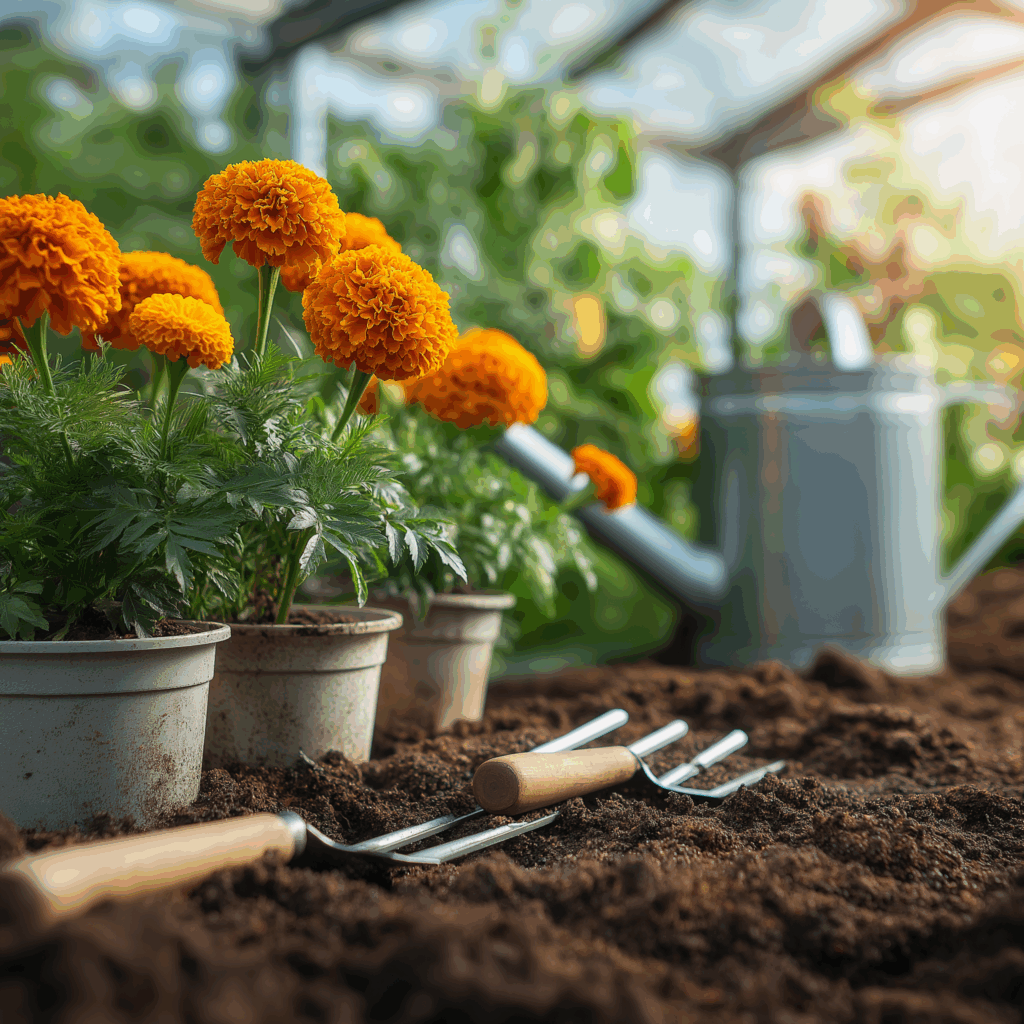
Gardening with the seasons goes beyond following a calendar—it’s about adapting to your specific environment. Each garden has its own microclimate, soil condition, and exposure to sun, wind or frost. To get the most from your space, it’s essential to tailor your gardening practices to local conditions, and consider how to work smarter throughout the year.
Adapting to Your Local Climate
Not all areas of the UK warm up or cool down at the same rate. Your local climate—whether you’re in a mild coastal region or a colder inland area—affects when and how you should carry out tasks such as planting, pruning or harvesting.
- Know your UK hardiness zone to better time sowing, transplanting, and frost protection
- Use local frost date information when planning spring or autumn tasks
- Elevate beds or use windbreaks in exposed gardens to extend growing seasons
Paying attention to your garden’s microclimate helps you adjust the calendar to suit your exact location, avoiding premature plant losses or late harvests.
Greenhouses and Container Gardening
If you’re working with limited space, containers and greenhouses can offer extra flexibility throughout the year.
- Greenhouses extend growing seasons, protect young seedlings, and allow early sowing of tender crops like tomatoes, cucumbers, or chillies
- Containers are great for balconies, patios or small gardens, and can be moved to shelter when frost threatens
- Use fleece, bubble wrap or horticultural heaters to protect container plants in winter
Greenhouses can help you grow more sustainably and experiment with crops that wouldn’t usually thrive in your climate.
Seasonal Tool Maintenance
Proper tool care is often overlooked but makes every gardening task easier and safer.
- Clean blades after each use to prevent rust and disease transfer
- Sharpen shears, secateurs and loppers every few months
- Store tools in a dry place—consider wall hooks, tool racks, or boxes in sheds
- Service petrol tools (like strimmers or mowers) before peak use in spring
Maintaining tools during quieter winter months ensures they’re ready when the busy seasons arrive.
Eco Tips: Rainwater Harvesting & Resourcefulness
A sustainable garden not only benefits the environment—it also saves time and money.
- Set up water butts to collect rainwater from gutters and greenhouses
- Use mulch and ground cover to reduce evaporation and retain moisture
- Repurpose kitchen waste (egg shells, vegetable peelings) into compost
- Choose native, low-maintenance plants that thrive in your climate without extra inputs
With simple practices like these, you can reduce your environmental impact while keeping your garden productive and resilient through all seasons.
Need Help with Your Garden in the UK?
Gardening is deeply rewarding—but it also takes time, effort, and consistency. Whether you’re keeping up with seasonal tasks, redesigning your outdoor space, or simply trying to keep things tidy, sometimes a little professional help can go a long way.
If you’re based in Liverpool or the Wirral, Sunlight Garden & Landscape Services is here to support you in every aspect of your garden’s journey.
Sunlight Garden & Landscape Services Liverpool & Wirral

Transforming Liverpool and the Wirral’s outdoor spaces, Sam and his experienced team specialise in everything from simple lawn care to full garden makeovers. Whether it’s a peaceful retreat in your back garden or a polished, professional look for your commercial property, they’re dedicated to bringing your vision to life with care and attention to detail.
Why Choose Sunlight?
- ✔ Expert local knowledge across Wirral & Liverpool
- ✔ Friendly, reliable, and fully tailored service
- ✔ Free, no-obligation quotes for every job
- ✔ High-quality workmanship using the best tools and materials
Services Offered:
- Regular Garden Maintenance
- Efficient Garden Waste Clearance
- Lawn Care (mowing, fertilising, edging)
- Professional Hedge Trimming
- Outdoor Decking and wooden planters
- Fencing and garden structure installations
- Patio & Driveway Cleaning
- Thorough Gutter Cleaning to prevent water damage
From a one-off seasonal tidy-up to a full landscape refresh, Sunlight makes gardening easier and more enjoyable—so you can focus on the parts you love most.
Ready to transform your garden?