
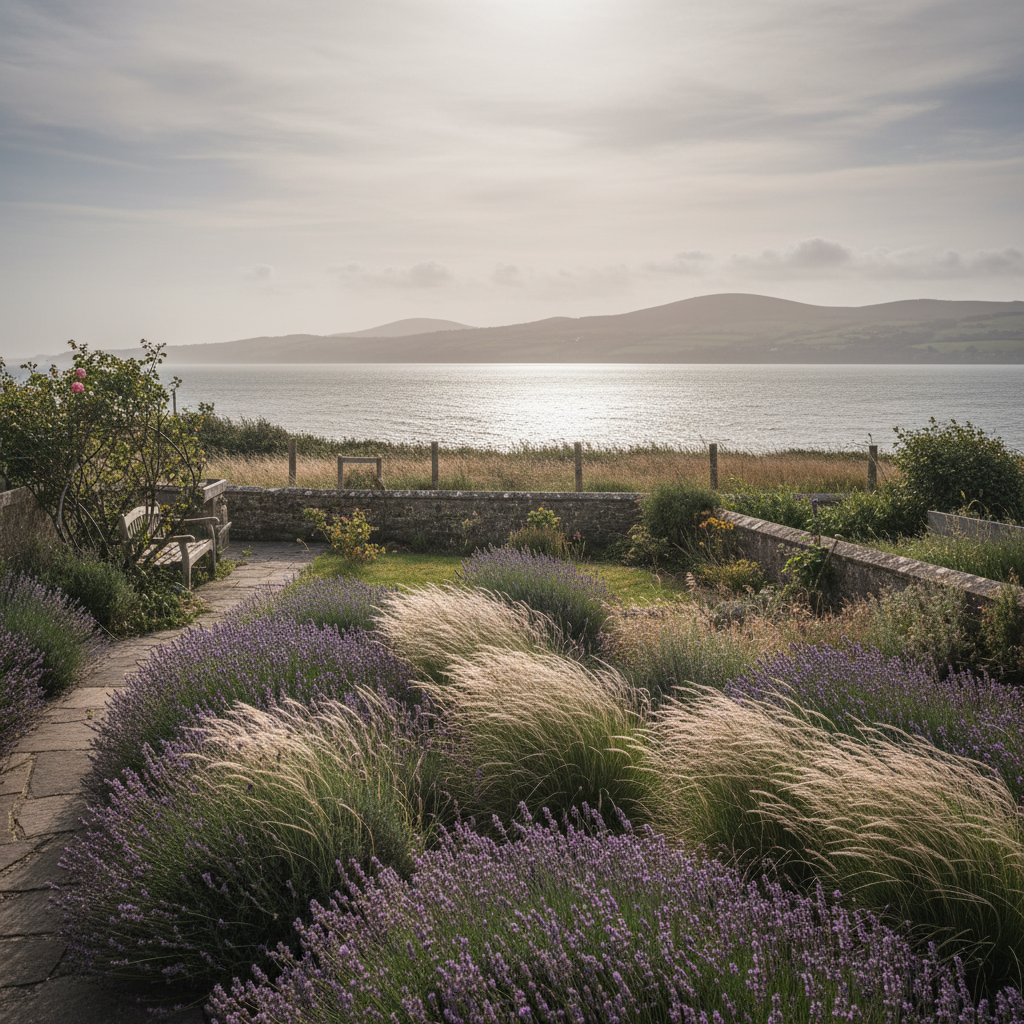
Gardening in West Kirby: Surviving the Wind, Salt and Sand
Too long, didn’t read
West Kirby gardens deal with three things no garden-centre plant label warns you about: salt-laden wind off the Dee estuary, sand blowing in from Hilbre and the marine lake, and storm surges that occasionally flood the seafront. The trick is choosing the right plants, building a proper windbreak, and knowing what to do in the 24 hours after a salt storm.
Need help keeping a West Kirby garden alive? Call Sam and the crew on 07510 796808 or get a free quote.
We look after gardens all over Wirral, but the ones in West Kirby, Hoylake and Meols are a different animal. A rose that thrives in a sheltered Heswall back garden will be brown-edged and half-dead in a West Kirby seafront plot within a season. Not because the homeowner did anything wrong. Because West Kirby is one of the most exposed patches of coast in the North West, and standard UK gardening advice doesn’t account for that.
The three things that make West Kirby different
Before you buy another tray of bedding plants that won’t survive the year, understand what your garden is actually fighting:
- Salt-laden wind. Prevailing winds come in off the Dee estuary and Liverpool Bay, carrying microscopic salt droplets that scorch leaves, particularly on broadleaf plants with soft new growth. Windfinder data lists West Kirby as one of the windiest spots on the Wirral coast for a reason.
- Blowing sand. When it’s been dry and windy, sand lifts off the beach and marine lake area and deposits in front gardens facing the coast. Over a season it builds up in borders, buries low plants, and changes the soil composition noticeably.
- Storm surges and occasional seafront flooding. After Storm Pierrick in April 2024 several seafront gardens had saltwater standing on them for hours. Even without flooding, wind-driven spray during a gale salts gardens half a street back from the promenade.
Why “normal” garden plants fail here
Walk into a garden centre and 90% of what’s on the shelf was selected for a sheltered suburban back garden somewhere in the Midlands. Roses, hydrangeas, most ornamental shrubs. They’ll give you a good first year, survive a second year looking tired, and be dead or dying by year three. It’s not your fault. You’re trying to grow plants in conditions the label never considered.
Salt wind scorches the leaves (you’ll see brown edges on the windward side first). Soft new growth is the first to go. Roots in sandy, nutrient-poor soil can’t keep up with the stress. And the whole cycle repeats every year.
What actually thrives in West Kirby

Think of the plants you see happy on the coast naturally, then work from there. The RHS coastal plant list is a good starting point; this is the shortlist we actually recommend for West Kirby, Hoylake and Meols gardens:
Front-line (directly exposed to the sea)
- Escallonia, lossy, salt-tolerant, makes a proper hedge
- Sea buckthorn, ative, fruit for the birds, handles anything
- Tamarisk, ives you a feathery, softer look that still survives
- Hebe (larger varieties), oastal staple for good reason
- Olearia (daisy bush), vergreen, flowers, and takes a battering
Second-line (behind a windbreak)
- Lavender and rosemary. editerranean plants love sandy soil and sun
- Ornamental grasses (stipa, miscanthus), way with the wind rather than fighting it
- Euphorbia, ough, drought-tolerant, looks good
- Hardy geraniums, round cover that actually survives
- Crocosmia, preads, bright, reliable
How to build a windbreak that actually works
A solid fence is the wrong answer. Wind hits it, bounces up and over, and creates turbulence behind it that does as much damage to your plants as the original wind. What you want is a semi-permeable barrier that slows the wind down rather than stopping it.
- Hedge: Escallonia, hornbeam, or a mixed native hedge. 50–60% permeable by design. Shelters everything downwind for 8–10× its height.
- Slatted fence panels with gaps: Second-best option, faster to install, works immediately without waiting three years for a hedge to grow.
- Temporary windbreak netting: Used while a hedge is establishing. Ugly but effective.
Don’t want to figure this out on your own?
We’ve been maintaining gardens across West Kirby, Hoylake, Meols and the wider Wirral coast since 2011. Fortnightly or monthly visits, same crew every time, tidy finish. We know what survives on the coast and what’s a waste of your money.
What to do in the 24 hours after a salt storm

After a storm like Pierrick or Kathleen, the critical window is the first day. Salt sits on the leaves and on the soil; the faster you can get it off, the more you save.
- Hose down the leaves of anything you want to save. Thoroughly. Both sides of the leaves. Fresh water, early and often.
- Water the soil heavily to flush salt down through the root zone rather than leaving it concentrated at the surface.
- Clear any seaweed or debris that’s been dumped on beds, t’s salty and will burn roots.
- Don’t prune damaged growth straight away. Give it two weeks to see what’s actually dead versus what’s just shocked.
- Feed lightly two weeks later with a balanced liquid feed to help recovery.
For a serious storm where saltwater has actually flooded the garden, the damage is deeper. Soil salinity can stay elevated for months. At that point it’s worth a professional assessment and, sometimes, partial topsoil replacement in the worst-hit beds.
Ongoing care, hat our West Kirby customers actually book
Most of our ongoing West Kirby customers settle into one of three rhythms:
- Fortnightly visits (April–October) to stay on top of growth, keep hedges tight, and manage the small storm fallout that happens continuously on the coast. £40–£70 per visit for a standard garden.
- Monthly visits year-round for smaller or lower-maintenance coastal plots. £50–£90 per visit.
- Seasonal resets , two big visits a year (spring and autumn) for gardens the owners largely manage themselves but want help with the heavy lifting. £200–£450 per visit depending on size.
★★★★★
“Simply the best around the Wirral and beyond, no job too small or trouble. Always know my lawns are spot on and looking the best.”
Peter Hirst, Wirral, verified Google review
⏱️ New fortnightly customers, ne slot left on most Wirral rounds. May is when our summer rounds finalise. Take the slot now or wait for autumn. Call 07510 796808 to check availability.
Ready to sort your coastal garden?
We’ve been looking after West Kirby, Hoylake and Meols gardens since 2011. Reliable crew, honest quotes, tidy finish. We know the plants that survive here and the ones that don’t. Give us a ring and we’ll come and have a look.
Free quote, no obligation. Fully insured. Google 4.5★.
Serving West Kirby, Hoylake, Meols, Caldy, Greasby, Heswall, and the wider Wirral coast.
Frequently Asked Questions
What plants survive salt wind in West Kirby?
Escallonia, sea buckthorn, tamarisk, hebe and olearia for front-line exposure. Lavender, rosemary, ornamental grasses and euphorbia behind a windbreak. Avoid roses, most hydrangeas, and anything with large soft leaves if it’s directly exposed.
Why are the leaves on my plants going brown at the edges?
That’s almost always salt scorch, especially on the side facing the coast. Rinse the leaves with fresh water after storms, and consider moving the plant to a more sheltered spot or putting up a windbreak.
Is sandy soil bad for gardening?
Not bad, just different. Sandy soil drains fast and loses nutrients fast, so you need to water more often and feed regularly. Mediterranean plants love it. Hungry crops like roses or vegetables need heavy composting to stay happy.
Should I build a fence or a hedge for wind protection?
A hedge is better long-term because it slows wind rather than bouncing it over. A semi-permeable slatted fence is the right fast answer if you can’t wait for a hedge to grow.
My garden flooded in a storm. Is the soil ruined?
Not usually, but salinity stays high for months. Water heavily with fresh water over the following weeks to flush salt through. In severe cases you may need to replace the top few inches of topsoil in the worst-hit beds.
Do you maintain gardens in West Kirby regularly?
Yes, West Kirby, Hoylake, Meols, Caldy and Greasby are all in our regular rounds. Fortnightly, monthly, or seasonal maintenance depending on what you need.