
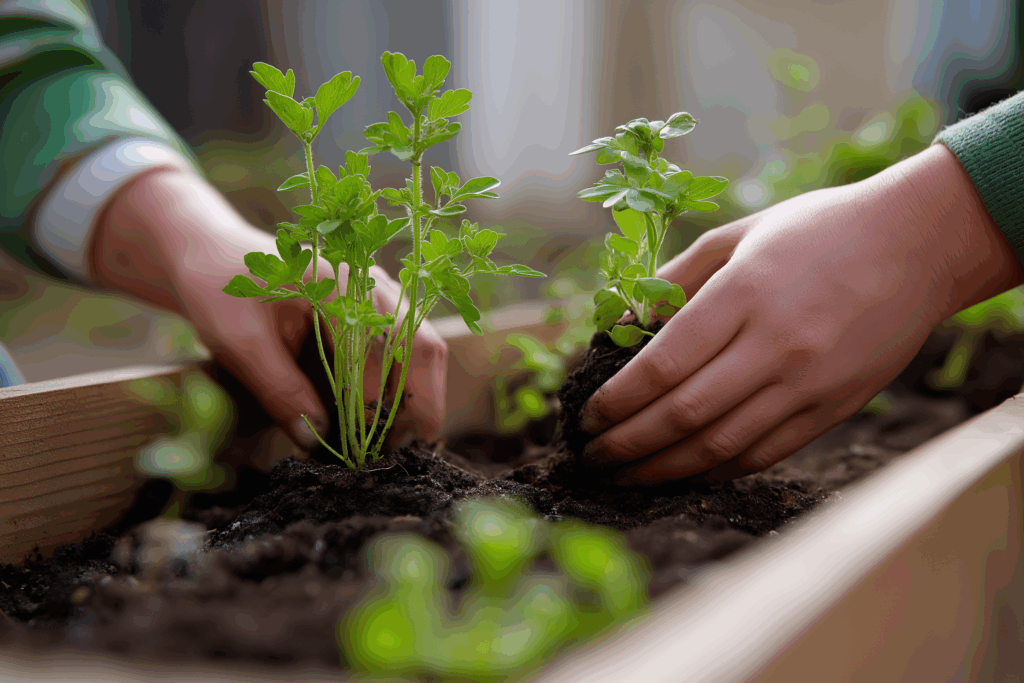
No-dig gardening is an approach to growing plants that focuses on building and maintaining healthy soil without disturbing its structure. Unlike traditional gardening, which involves tilling or digging the soil to prepare it for planting, no-dig gardening encourages a more natural and sustainable method. The goal is to allow the soil to maintain its rich ecosystem of beneficial organisms, such as earthworms, fungi, and bacteria, which are crucial for healthy plant growth.
In essence, no-dig gardening is about layering organic materials directly onto the soil surface to create a growing medium. These layers of mulch, compost, and organic matter serve as both food for plants and a barrier to weeds.
How Does No-Dig Gardening Work?
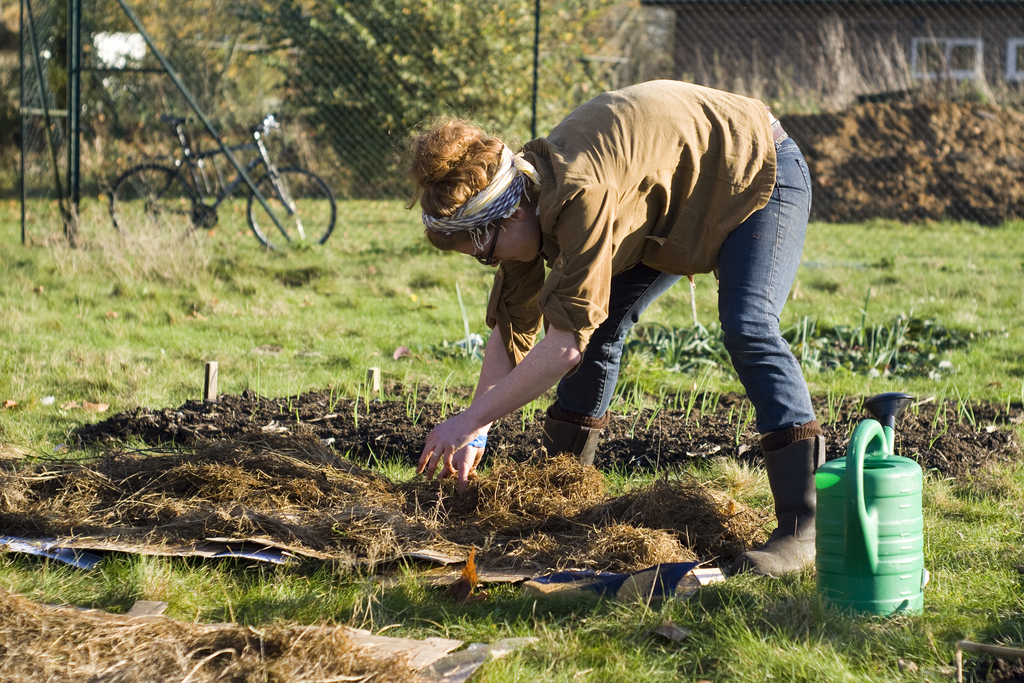
The method works by creating a no-till, or no-dig, environment where the soil is left undisturbed. Instead of turning the soil over, gardeners add organic materials such as compost, cardboard, or straw to the top layer of the soil, forming a “mulch” that naturally breaks down over time.
The process typically involves:
- Layering materials: Adding organic materials like compost, leaf mulch, or cardboard directly on top of the soil.
- Creating a fertile environment: These materials break down slowly, releasing nutrients into the soil, which plants can absorb.
- Encouraging soil organisms: By not digging, beneficial soil organisms such as earthworms remain undisturbed, helping to improve the soil structure naturally.
Why Choose No-Dig Gardening?
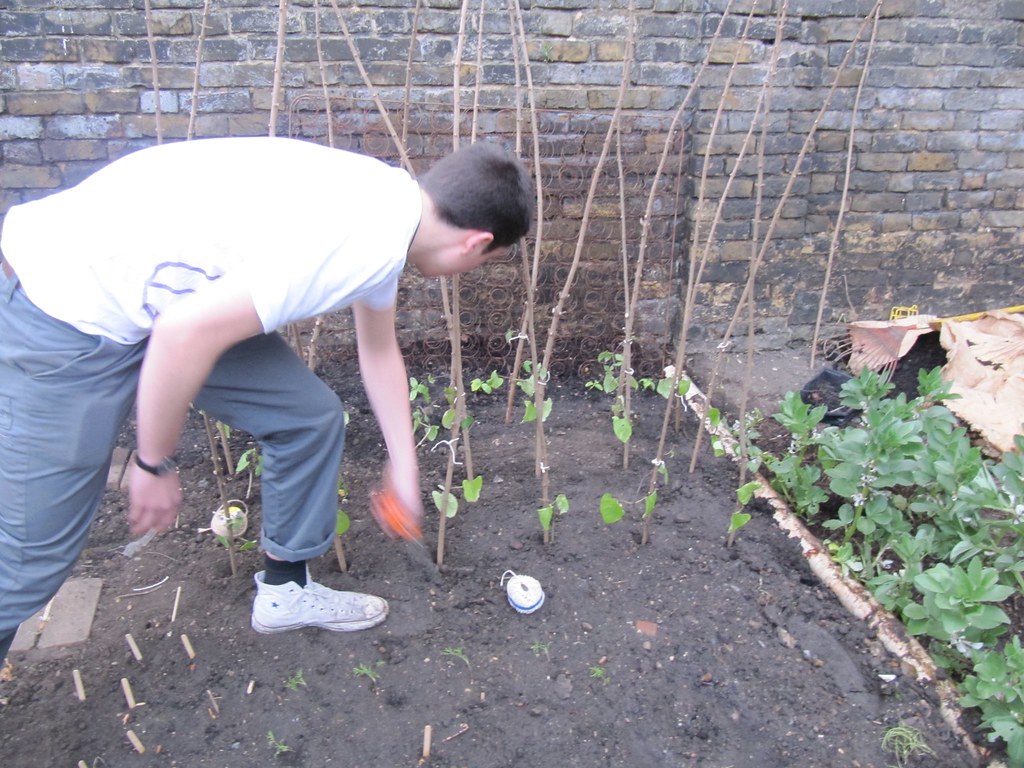
No-dig gardening has become increasingly popular among gardeners looking for a more sustainable, time-saving method of gardening. Not only does it reduce the physical labor associated with traditional digging, but it also helps to build healthier, more fertile soil over time.
Some of the key reasons to consider no-dig gardening include:
- Preservation of Soil Structure: By not disturbing the soil, you maintain its natural structure and allow organisms like earthworms to thrive.
- Better Water Retention: The layers of organic material improve moisture retention, which helps your plants thrive, especially during dry spells.
- Reduced Need for Fertilizers: No-dig gardening uses compost and other organic materials to feed the soil, reducing the need for chemical fertilizers.
- Less Soil Erosion: With no digging, there is less soil disturbance, which prevents erosion and protects the soil from degradation.
Whether you’re a seasoned gardener or a beginner, no-dig gardening offers a sustainable, eco-friendly approach to growing plants that benefits both your garden and the environment.
If you need expert assistance with garden maintenance or landscaping, consider professional gardening services to help you with your no-dig gardening projects. Sunlight Garden Services in Liverpool can help you design and maintain a thriving garden, offering specialized services that include landscaping, garden care, and much more.
No-Dig Gardening: Key Benefits for Your Garden and Your Health
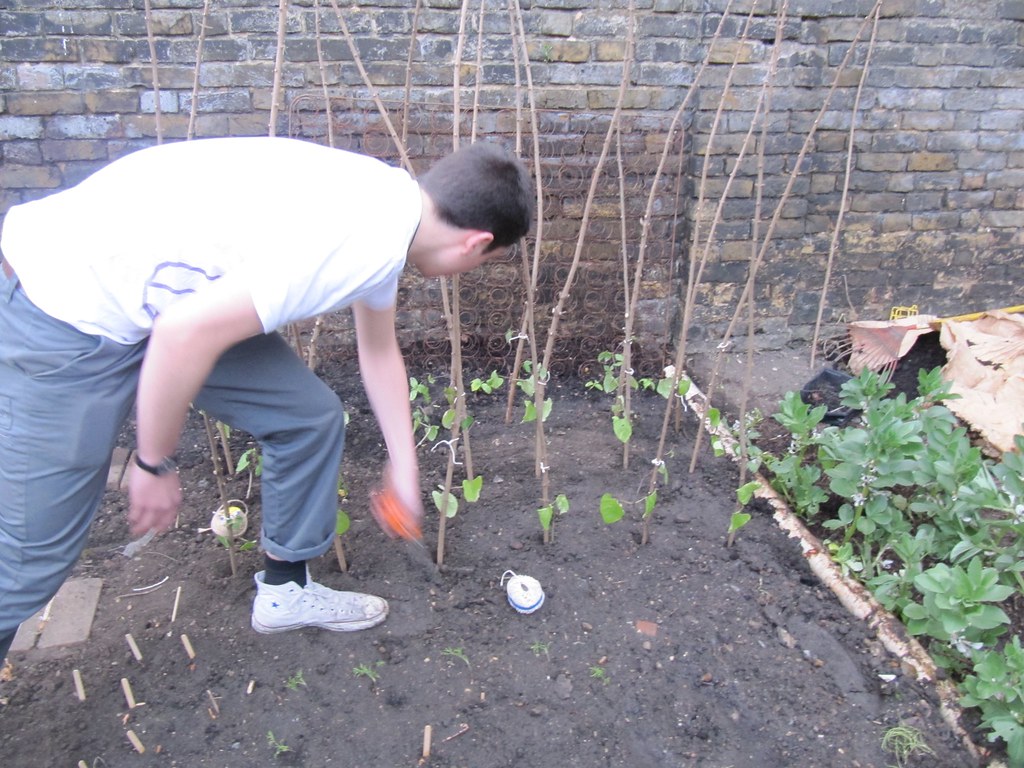
No-dig gardening is gaining momentum for many reasons, and its benefits extend beyond just reducing the physical strain of digging. This method can enhance the health of your garden in numerous ways. Here, we’ll dive into the key benefits of adopting a no-dig gardening approach:
1. Improved Soil Health
One of the most significant advantages of no-dig gardening is its positive impact on soil health. In conventional gardening, regular digging and tilling disrupt the natural soil structure. This can lead to soil compaction, loss of nutrients, and the destruction of beneficial organisms. By avoiding tilling, no-dig gardening maintains a balanced ecosystem in the soil.
- Preservation of Soil Structure: The soil remains undisturbed, ensuring the natural channels created by earthworms and other organisms are maintained.
- Increase in Microbial Activity: Beneficial microorganisms, such as bacteria and fungi, flourish without the disruption caused by digging. These microbes play a crucial role in breaking down organic material and making nutrients available to plants.
2. Reduced Weeds and Pest Control
Weeds can be a constant battle in traditional gardening. Digging often brings weed seeds to the surface, where they can sprout and grow. No-dig gardening minimizes this issue by preventing soil disruption and by using organic mulches to smother weeds.
- Weed Suppression: By laying cardboard, newspapers, or thick layers of mulch, no-dig gardening effectively blocks weed growth, reducing the need for chemical herbicides.
- Natural Pest Control: The healthier, undisturbed soil in no-dig gardens can foster a balanced ecosystem where pests are naturally controlled. Beneficial insects, like ladybugs, thrive and help keep harmful pests in check.
3. Enhanced Moisture Retention
In no-dig gardens, organic layers help to retain moisture in the soil, reducing the frequency of watering required. This makes no-dig gardening an excellent choice for regions with water restrictions or during dry spells.
- Better Water Management: The mulch layer acts as a barrier, reducing evaporation and keeping the soil consistently moist.
- Increased Water Infiltration: Without digging, the water can penetrate deeper into the soil, reaching plant roots more effectively.
4. Sustainability and Environmental Benefits
No-dig gardening offers many eco-friendly advantages. It reduces the need for heavy equipment, such as tillers, which can be fuel-intensive and disruptive to the environment. It also reduces the need for fertilizers and pesticides, promoting a healthier, more sustainable ecosystem in your garden.
- Reduced Carbon Footprint: No-dig gardening minimizes the use of fossil fuels for tilling and the transportation of materials like fertilizers or pesticides.
- Reduction in Soil Erosion: By keeping the soil intact, no-dig gardening prevents soil erosion caused by tilling and weather conditions.
- Lower Chemical Usage: Organic matter like compost and mulch can be used to naturally fertilize plants, reducing reliance on synthetic chemicals.
5. Time and Labor Savings
For many gardeners, one of the most appealing benefits of no-dig gardening is the reduced amount of time and physical labor involved. Traditional gardening methods require significant effort to dig, till, and weed the garden regularly. No-dig gardening eliminates these tasks, allowing you to focus more on planting and maintaining your garden.
- Less Labor-Intensive: No more heavy digging, turning soil, or dealing with backbreaking work.
- Long-Term Time Savings: Once the layers of organic material are in place, the garden requires less upkeep, giving you more time to enjoy your outdoor space.
6. Better Aesthetic Appeal
The no-dig method also encourages the creation of a visually appealing garden. By using organic materials like mulch, compost, and even decorative stones, you can easily create a beautiful, low-maintenance landscape.
- Layered, Lush Garden Beds: The layers of organic material give the garden an aesthetically pleasing and uniform look, while also providing nutrients.
- Cleaner Garden Spaces: Without the need for constant digging or disturbing the soil, the garden remains neat and well-organized.
Additionally, did you know that gardening, even in its no-dig form, is a surprisingly great way to get some physical exercise? Gardening activities, like planting and mulching, can count as moderate-intensity physical activity. According to experts, gardening offers numerous health benefits, such as supporting cardiovascular health, boosting flexibility, and enhancing muscle strength.
If you’re curious to learn more about how gardening can serve as a great exercise, you can read our detailed article, Is Gardening Good Exercise? Surprising Health Benefits You Need to Know, where we explore how gardening contributes to overall health.
Practical Tips for Starting a No-Dig Garden
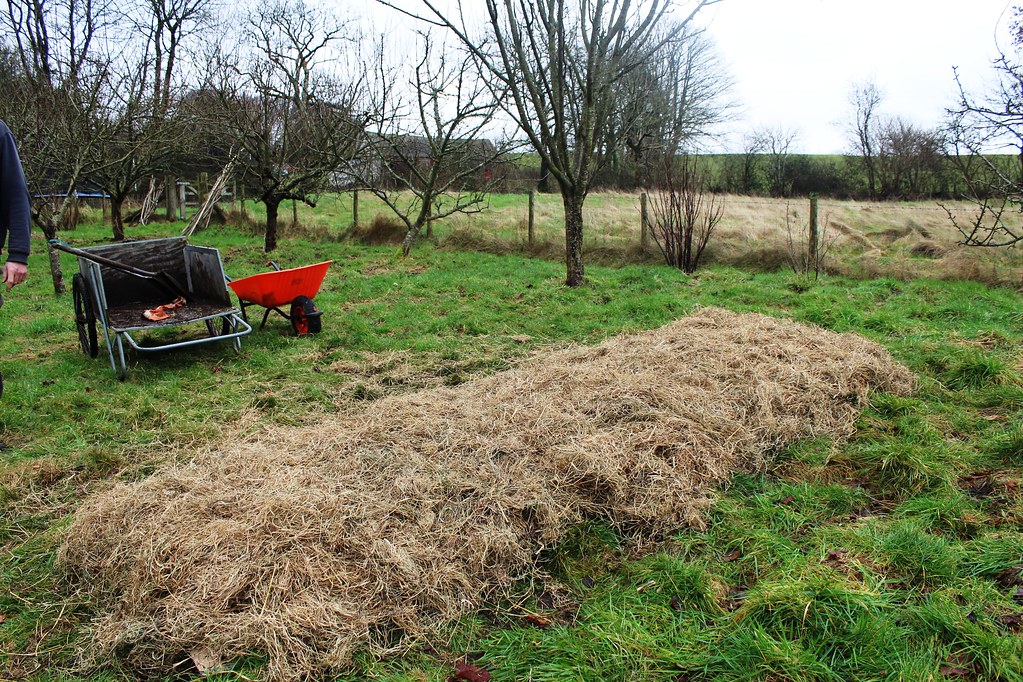
Starting a no-dig garden is an easy and rewarding process, even for beginners. Below are some practical tips to help you get started with this low-maintenance gardening method. With the right approach, you can quickly transform your garden into a thriving space without the need for strenuous digging.
1. Choose the Right Location
Choosing the right location for your no-dig garden is essential for ensuring that your plants thrive. Make sure to pick a spot with good access to sunlight, as most plants need at least 6 hours of direct sunlight each day.
- Assess Sunlight: Observe your garden throughout the day to find the sunniest areas.
- Avoid Drainage Issues: Ensure the spot has good drainage so your plants aren’t sitting in waterlogged soil.
2. Start with a Layer of Cardboard or Newspaper
The foundation of any no-dig garden is the organic layers that will eventually build up over time. To begin, you’ll want to cover the soil with a layer of cardboard or newspaper. This acts as a weed barrier and prevents any unwanted plants from sprouting.
- Cardboard or Newspaper: Lay cardboard or several layers of newspaper directly onto the soil to block weeds.
- Overlap Edges: Ensure that the cardboard or newspaper overlaps slightly to avoid any gaps where weeds can creep through.
3. Add Organic Layers
Once the base layer is in place, start adding organic material such as compost, mulch, or even grass clippings. These materials will decompose over time, enriching the soil with nutrients. As the organic material breaks down, it helps to improve the structure and health of the soil below.
- Compost: High-quality compost adds essential nutrients that plants need to grow.
- Mulch: Use a thick layer of mulch to retain moisture, reduce weeds, and keep the soil temperature stable.
4. Planting Your Garden
After the initial layers have been laid down, it’s time to start planting. The beauty of no-dig gardening is that you don’t need to till or turn the soil before planting. Simply dig small holes through the organic layer, plant your seeds or seedlings, and cover them with a layer of mulch to protect them.
- Dig Small Holes: Use a hand trowel or small shovel to dig small planting holes through the organic layers.
- Mulch Around Plants: After planting, mulch around the plants to help retain moisture and prevent weeds.
5. Regular Maintenance and Mulching
Once your garden is established, maintenance is minimal. The key to keeping your no-dig garden thriving is to add fresh layers of compost or mulch as needed to maintain nutrient levels and moisture. You’ll also need to monitor for pests and diseases, although no-dig gardens tend to have fewer issues with pests due to the balanced ecosystem.
- Top Up Mulch and Compost: Add new layers of compost or mulch annually to keep the soil rich and moist.
- Monitor for Pests: Look out for any pests, especially in the early stages of planting, and use natural pest control methods.
6. Patience Is Key
While no-dig gardening is low-maintenance, it’s not an instant process. You won’t see results overnight. However, the long-term benefits are worth the wait. Over time, the soil quality improves, and your garden becomes more productive with less effort.
- Allow Time for Decomposition: Organic layers take time to break down and enrich the soil. Give it a season or two for the full effect.
- Slow and Steady: Over time, as your no-dig garden matures, you’ll notice an increase in plant health, yield, and overall ease of gardening.
7. Adapt to Your Climate
No-dig gardening is versatile and can be adapted to suit different climates. In areas where water conservation is critical, the thick mulch layer can help retain moisture and reduce the need for frequent watering. In colder climates, no-dig gardens help insulate plants during winter by retaining heat in the soil.
- Water Conservation: Use mulch and compost to reduce evaporation in dry climates.
- Insulation for Cold Climates: Add extra mulch in winter to protect plants from frost.
Common Mistakes to Avoid in No-Dig Gardening
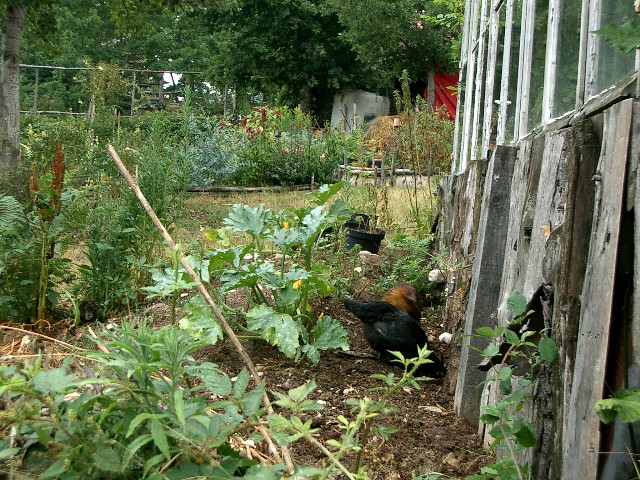
While no-dig gardening is a beginner-friendly method, there are some common mistakes that can hinder your garden’s success. Being aware of these pitfalls will help you avoid frustration and ensure that your garden thrives in the long run. Here are some mistakes to watch out for and how to avoid them:
1. Using the Wrong Materials for Mulch and Compost
Not all mulches and composts are created equal. It’s essential to use organic, well-rotted compost and mulch that will provide the right nutrients and not contain harmful chemicals or materials.
- Mistake: Using fresh grass clippings, straw, or wood chips that haven’t been composted or rotted can lead to a nitrogen imbalance or even introduce pests to your garden.
- Solution: Always use well-decomposed compost, organic mulch, and ensure that your materials are free of herbicides or pesticides that could harm the soil and plants.
2. Not Allowing Enough Time for Layering to Decompose
One of the essential aspects of no-dig gardening is allowing your organic materials to break down naturally. If you try to plant too soon, the layers may not have decomposed enough, leading to slow plant growth or nutrient deficiencies.
- Mistake: Planting too quickly or failing to allow the layers of cardboard, paper, and compost to decompose fully before planting.
- Solution: Be patient. Give the organic layers time to break down properly, which can take several weeks or even a few months, depending on the conditions.
3. Not Adequately Suppressing Weeds
While no-dig gardening is great for reducing weeds, if the mulch layer is too thin or the cardboard/newspaper isn’t laid out properly, weeds can still find their way into your garden.
- Mistake: Not using enough mulch or not covering the soil adequately with cardboard or newspaper to suppress weeds effectively.
- Solution: Ensure that the cardboard/newspaper overlaps at the edges, and apply a thick layer of mulch (at least 3-4 inches) to prevent weeds from breaking through. Consider adding a second layer of mulch in areas with heavy weed pressure.
4. Overwatering or Underwatering
Proper watering is essential in any garden, but no-dig gardening relies on the mulch layer to help retain moisture in the soil. Without proper water management, plants may struggle to thrive.
- Mistake: Overwatering or underwatering your garden. Overwatering can lead to mold, rot, and fungus, while underwatering can stress the plants.
- Solution: Check the moisture levels in your garden regularly. The soil should be moist but not soggy. Use a mulch layer to help maintain moisture and reduce the frequency of watering, especially during dry spells.
5. Neglecting to Add Nutrients Over Time
As the organic layers in your no-dig garden break down, they release valuable nutrients into the soil. However, over time, these nutrients may become depleted, and plants will still require periodic feeding to thrive.
- Mistake: Forgetting to replenish nutrients and failing to add fresh compost or organic matter as the layers break down.
- Solution: Top up your garden with fresh compost or organic mulch every year, especially in areas where plants are heavy feeders, such as vegetables and fruit-bearing plants.
6. Planting Incompatible Plants Together
Even though no-dig gardening provides a healthy, undisturbed environment for your plants, it’s still important to consider plant compatibility when choosing what to grow. Certain plants may not thrive together in the same space, and some may require more nutrients or sunlight than others.
- Mistake: Planting incompatible plants together without considering their specific needs, such as sunlight, soil pH, or water requirements.
- Solution: Research companion planting and be mindful of each plant’s needs. For example, some plants may benefit from being grown near others that repel pests or improve soil health.
7. Ignoring Pest and Disease Management
Although no-dig gardens tend to naturally have fewer pests and diseases, it’s still possible to face challenges. Ignoring signs of trouble can lead to a decline in plant health.
- Mistake: Not regularly inspecting plants for pests or signs of disease.
- Solution: Regularly check your garden for any signs of pests, such as holes in leaves or discolored plants. Use natural pest control methods, such as introducing beneficial insects like ladybugs or using neem oil for organic pest management.
8. Not Having a Plan for Long-Term Care
No-dig gardening may require less work up front, but that doesn’t mean it’s a set-it-and-forget-it method. It’s still important to monitor your garden regularly to ensure it remains healthy and vibrant.
- Mistake: Neglecting your garden once it’s set up and forgetting about its ongoing care.
- Solution: Make no-dig gardening part of your regular routine. Monitor soil health, ensure that organic layers are replenished, and continue to observe plants for any signs of problems.
If you’re tackling no-dig gardening and find yourself with garden waste accumulating over time, don’t forget about proper garden waste clearance. Garden Waste Clerance by Sunlightgardenservices offers expert services in removing unwanted garden debris, ensuring your garden space remains neat and ready for planting. Their professional garden waste clearance service can help you clear space efficiently, so you can focus on your no-dig gardening efforts with ease.
Best Plants to Grow in a No-Dig Garden

One of the key benefits of no-dig gardening is its versatility, allowing you to grow a wide variety of plants while minimizing the physical labor associated with traditional gardening. Whether you’re growing vegetables, herbs, or flowers, no-dig gardening provides an ideal environment for most plants to thrive. Below is a list of some of the best plants to grow in a no-dig garden, categorized into vegetables, herbs, flowers, and perennials.
Vegetables
No-dig gardening is particularly beneficial for growing a range of vegetables, as the undisturbed soil encourages healthy root development. These plants tend to flourish in the rich, well-draining environment that no-dig gardening provides.
- Lettuce: Lettuce is one of the best vegetables for no-dig gardens because it has shallow roots and grows quickly. It thrives in cool conditions, making it an excellent choice for early spring or fall gardens.
- Carrots: Carrots grow well in no-dig gardens, as the soil’s natural texture allows their long taproots to develop without obstruction. To grow carrots, simply lay down a good layer of compost and mulch and make sure the soil is loose and well-draining.
- Beans: Beans are perfect for no-dig gardens because they help fix nitrogen in the soil, enriching it naturally. Their vines can grow vertically, so they’re ideal for small spaces and companion planting.
- Tomatoes: Tomatoes require rich, well-aerated soil, making no-dig gardening a perfect match. The undisturbed soil promotes strong root systems and healthy growth.
- Cabbage and Kale: These leafy greens thrive in no-dig gardens as they require moisture-retentive soil. Cabbage and kale grow best when given consistent water and nutrients, which can be easily provided through organic matter.
Herbs
Herbs are not only easy to grow but also well-suited for no-dig gardens. The organic matter in the soil provides all the nutrients they need to grow healthily. Some herbs to consider include:
- Basil: Basil loves warmth and sunlight. It grows well in no-dig gardens as the soil’s rich organic material encourages strong, healthy plants.
- Mint: Mint spreads quickly, and growing it in a no-dig garden can help keep it contained. The thick layer of mulch prevents mint from invading unwanted areas.
- Parsley: Parsley is another herb that thrives in no-dig gardens. It doesn’t require deep soil and benefits from the rich organic material provided by the no-dig method.
- Thyme: Thyme is a hardy herb that grows well in no-dig gardens due to its love for well-drained soil and plenty of sunlight.
- Oregano: Similar to thyme, oregano benefits from the rich, undisturbed soil in no-dig gardens, and it grows well in areas with a lot of sunlight.
Flowers
Flowers enhance the aesthetic appeal of any garden and can be successfully grown in a no-dig garden. The natural layering technique in no-dig gardening provides flowers with optimal growing conditions.
- Sunflowers: Sunflowers love sunlight and can thrive in the nutrient-rich environment of a no-dig garden. They grow quickly and are ideal for adding height and color to your garden.
- Nasturtiums: These flowers are known for their vibrant colors and are perfect for no-dig gardens due to their shallow root system. Nasturtiums also attract beneficial insects like pollinators and pest-eating bugs.
- Marigolds: Marigolds help deter pests naturally, making them an excellent addition to any garden. Their deep roots and vibrant flowers benefit from the rich soil created by the no-dig method.
- Lavender: Lavender requires well-drained soil, and the natural aeration in no-dig gardens provides just that. Plus, lavender attracts pollinators and has a lovely scent.
Perennials (Optional for Advanced Beginners)
While growing perennials in no-dig gardens is an excellent long-term strategy, it’s often best left to more experienced gardeners. Perennials are plants that come back year after year, and they can benefit greatly from the undisturbed soil of no-dig gardening.
- Asparagus: Asparagus is a great example of a perennial that does well in no-dig gardens. It requires a bit of patience but will yield delicious crops for many seasons once established.
- Rhubarb: Rhubarb is a hardy perennial that thrives in nutrient-dense, well-drained soil. No-dig gardening helps keep the soil structure intact, allowing the plant to spread and grow over time.
- Strawberries: Strawberries grow well in no-dig gardens due to the rich organic layers that promote healthy roots. They are also an excellent companion plant for other vegetables, helping to suppress weeds.
No-Dig Gardening vs Traditional Gardening
When deciding on a gardening method, understanding the differences between no-dig gardening and traditional gardening can help you make an informed choice that aligns with your gardening goals and lifestyle. While both methods have their merits, no-dig gardening offers a number of advantages that make it a compelling option for many gardeners. In this section, we’ll compare the two approaches and weigh their respective pros and cons.
Comparison Table: No-Dig vs Traditional Gardening
| Aspect | No-Dig Gardening | Traditional Gardening |
|---|---|---|
| Soil Preparation | No soil disturbance; layers of organic material applied on top. | Frequent tilling and digging to prepare the soil. |
| Weeding | Reduced weed growth; mulch and cardboard suppress weeds. | Regular weeding required, as soil disturbance brings new weed seeds to the surface. |
| Soil Health | Improves soil structure, supports beneficial organisms, and maintains moisture. | Digging can lead to soil compaction, disrupt microbial life, and deplete soil nutrients over time. |
| Labor Intensity | Low labor; no heavy digging or turning of soil. | High labor; requires constant digging, tilling, and turning of soil. |
| Water Retention | Improved moisture retention due to mulching and organic layers. | Water evaporates quickly due to lack of organic material; regular watering required. |
| Pest Control | Natural pest control through healthy soil and a balanced ecosystem. | Pests can be more problematic due to the disturbance of soil and lack of natural predators. |
| Environmental Impact | More sustainable; fewer carbon emissions from tilling equipment, and reduced use of chemical fertilizers. | Higher environmental impact due to fuel-intensive tilling and the use of synthetic fertilizers and pesticides. |
| Maintenance | Low maintenance after initial setup; only need to add mulch and compost annually. | High maintenance; requires frequent tilling, fertilizing, and weeding. |
FAQs About No-Dig Gardening
As no-dig gardening gains popularity, many gardeners have questions about its practicality and the best practices. Below are the most common questions about no-dig gardening, along with answers to guide you on your gardening journey.
1. How Deep Should the Compost Be?
The depth of the compost layer is crucial to providing your plants with the nutrients they need. Generally, a compost layer should be between 3 to 6 inches deep.
- For vegetables: A 3-inch layer is usually sufficient, as most vegetables don’t require deep soil.
- For larger plants or perennials: A 4 to 6-inch layer will give them more nutrients and support their growth.
Remember, as compost breaks down over time, the layer will settle. Therefore, it’s a good idea to top it up annually to maintain the right depth.
2. Do I Ever Need to Dig?
The essence of no-dig gardening is to avoid disturbing the soil, but there may be minimal situations where digging is necessary.
- Initial Setup: During the first installation of your no-dig garden, you may need to remove weeds or grass by laying cardboard or newspaper, followed by adding a thick layer of compost or mulch on top.
- Improving Soil Quality: If you have compacted or clay-heavy soil, it may take a few years for the organic layers to improve the structure. In such cases, occasional loosening of the soil with a fork can help but is not a common necessity.
- Planting Larger Plants: For large plants with deep roots, you might need to dig small holes in the compost layer to plant them. This is minimal disruption compared to traditional digging or tilling.
3. How Do I Improve Compacted Soil?
Improving compacted soil in no-dig gardening is a gradual process. Here’s how you can help:
- Layer Organic Materials: Over time, adding organic layers such as compost, mulch, and manure can naturally break up compacted soil. The decomposition of organic materials improves the soil structure, helping it retain moisture and nutrients while increasing microbial activity.
- Cover Crops: Planting cover crops like clover or legumes can help improve soil aeration and structure by adding organic matter as they decompose.
- Be Patient: It might take several years for the soil to become less compacted, but the no-dig method helps restore its natural health and structure.
4. Can I Grow Root Vegetables in a No-Dig Garden?
Yes! One of the most common myths about no-dig gardening is that you can’t grow root vegetables. While no-dig gardening does require some adjustments, root vegetables can absolutely thrive with this method.
- Use Deeper Layers of Organic Material: For root vegetables such as carrots, potatoes, and beets, make sure the compost or mulch layer is deep enough to accommodate their growth. Aim for at least 6 inches of organic material to allow these plants to root properly.
- Choose the Right Plants: Choose root vegetables that grow well in slightly raised beds, like radishes or carrots. For larger root crops, make sure the soil depth is suitable.
5. Does No-Dig Gardening Attract More Pests?
No, no-dig gardening does not attract more pests. In fact, the opposite is often true. Because no-dig gardening supports a balanced ecosystem, it can reduce the risk of pest infestations.
- Natural Pest Control: A healthy no-dig garden encourages beneficial insects such as ladybugs and predatory beetles, which help keep harmful pests in check.
- Weed Suppression: By using thick layers of mulch or cardboard, you limit the chances of weeds growing, which can also attract pests.
- Balanced Ecosystem: The undisturbed soil promotes the health of earthworms and beneficial microbes, which naturally contribute to pest control.
6. Is No-Dig Gardening Suitable for All Climates?
Yes, no-dig gardening is versatile and can work in various climates, but some adjustments may be needed depending on where you live.
- Cold Climates: In cooler climates, no-dig gardening can help keep the soil warmer, as the mulch insulates the soil, allowing plants to thrive. You can use thick layers of mulch during the winter to protect the soil and prepare for the growing season.
- Hot and Dry Climates: In dry climates, the mulch in no-dig gardening acts as a barrier to prevent moisture loss. It reduces the need for frequent watering, making it an ideal method for drought-prone areas.
- Humid Climates: For areas with high humidity, ensure that the garden has good drainage. Layering organic materials like compost and manure helps maintain the right balance of moisture and prevents waterlogging.
7. Can I Use Synthetic Fertilizers in No-Dig Gardening?
While no-dig gardening promotes the use of organic materials like compost and manure, it’s possible to use synthetic fertilizers in small amounts if necessary.
- Natural Fertilizers Preferred: It’s always better to stick with natural fertilizers, as they improve soil health over time without harming beneficial microbes. Organic materials such as compost, bone meal, and fish meal can provide necessary nutrients to your plants.
- Avoid Overuse of Chemicals: Excessive use of synthetic fertilizers can disrupt the soil’s natural ecosystem. It’s best to rely on the compost and organic matter for fertilization and only supplement if needed.