

Timing is everything when it comes to gardening – plant too early & your seedlings are likely to get battered by a late frost, while planting too late means you might miss the best bit of the growing season altogether. That’s especially true for gardeners in Liverpool & Wirral planting guide. The local climate is pretty mild, with wet winters & all in all pretty agreeable summers, which actually gives you loads of scope for year-round planting – you just have to know when to get cracking.
Below is a month-by-month gardening calendar, specifically designed to help you plan your gardening year. Whether it’s vegetables, fruit, flowers or herbs you’re after, you’ll find a load of practical advice tailored to the local conditions here in Liverpool & the Wirral. From sowing seeds indoors to getting your hardy perennials out into the garden, this guide will give you the low down on what to do when – saving you the hassle of trying to second guess it all.
If you’re looking to get the best out of your garden, following this guide will help ensure it stays healthy, productive & looking its absolute best. And if all that sounds like a bit too much hard work, combining this guide with the help of a professional garden maintenance service in Liverpool can make all the difference, helping your plants to thrive all year round.
Below we’ve broken down each month, highlighting what to plant, what seeds to sow, & what needs a bit of TLC to make the most of our local growing season.
Liverpool & Wirral planting guide -Climate, Soil, and Local Microclimates for Your UK Gardening Calendar

Getting to know the local environment is the first step to gardening success in Liverpool and Wirral. We’re lucky to have a temperate maritime climate round here – mild summers and pretty wet winters are the name of the game. Temperatures average around 3°C in the depths of winter and a pleasant 20°C in the summer, although we can get the odd late frost that catches out the more tender plants. The other thing to think about is the rain – it’s pretty evenly spread throughout the year, which is great for water tables but can be a right pain when it comes to soil moisture management for gardeners.
The soil types in the area are quite varied as well, from lovely fertile loam that’s perfect for veggies to the heavier clay soils that need a bit of TLC for drainage – watch out for those! Then of course there’s the coast, where the salt-laden winds and slightly warmer microclimates will keep you on your toes, and inland areas where it’s often cooler and more prone to frost pockets. Knowing these local variations makes all the difference when it comes to planning what to plant and when.
Key points to keep in mind for Liverpool & Wirral gardeners:
- Climate basics: It’s wet and mild in winter, gets up to about 18-20°C in the summer, and the occasional late frost.
- Soil habits: We’ve got loamy, clay and sandy soils all mixed in, each needing its own special care.
- Microclimates at work: Coastal areas tend to be warmer, inland ones cooler and with frost pockets to contend with.
- Top tip: Using organic gardening methods is a great way to improve soil health and resilience – and you can learn more about the best organic gardening techniques for the Liverpool and Wirral area.
Gardening in Liverpool and Wirral can be highly productive when you follow a month-by-month plan. The region’s temperate climate, mild summers, and wet winters create ideal conditions for year-round planting. Each month has its own priorities: winter is for preparation and indoor sowing, spring for outdoor planting, summer for maintenance and harvesting, and autumn for final crops and preparation for winter. By following this guide, you’ll know what to sow, plant, harvest, and how to maintain your garden throughout the year. For extra help with garden organization, layout, or design, a garden landscaping design service can make planning and planting much easier.
January – Preparing for the Winter Garden
January is quiet outdoors, but it’s the perfect month to prune dormant plants, prepare soil, and start indoor sowing. Focus on clearing debris, adding compost, and mapping out vegetable and flower beds for spring. Indoors, sow early vegetables like leeks and onions in seed trays and start flowers such as sweet peas in pots.
| Task | Vegetables | Fruits | Flowers / Herbs |
|---|---|---|---|
| Indoor sowing | Leeks, Onions, Broccoli | Strawberries in pots | Sweet peas, Primroses, Early bedding plants |
| Pruning | – | Apple, Pear, Plum trees | Roses, Dormant shrubs |
| Soil preparation | Add compost to vegetable beds, Turn soil in raised beds | Apply mulch around fruit tree bases | Remove debris from flower beds |
| Planning | Plan crop rotation and bed layout | Plan orchard or fruit cage layout | Plan flower borders and pots |
How to do it: Fill pots with seed compost, water lightly, keep in a bright spot indoors. Prune by removing damaged or crossing branches. Turn composted soil to improve drainage and fertility.
February – Early Growth and Seedlings
February continues indoor sowing and the start of hardening off seedlings. Prune fruit trees to encourage strong growth and start preparing outdoor beds for early vegetables.
| Task | Vegetables | Fruits | Flowers / Herbs |
|---|---|---|---|
| Indoor sowing | Leeks, Cabbage, Broccoli, Early tomatoes | Strawberries, Raspberries in pots | Sweet peas, Early bedding plants |
| Hardening off | Lettuce, Spinach, Cabbage seedlings | Young fruit plants in pots | Potted flowers such as pansies and violas |
| Pruning | Kale seedlings, Spinach trays | Apple, Pear, Plum trees | Roses, Currant bushes |
| Soil preparation | Add well-rotted compost to vegetable beds | Mulch fruit tree bases | Clear flower beds and incorporate leaf mold |
How to do it: Move seedlings outside for a few hours daily to harden off, gradually increasing time. Prune fruit trees to remove dead branches. Add compost to improve soil structure.
March – Outdoor Sowing Begins
March is the time to start outdoor sowing. Hardy vegetables such as peas, carrots, and radishes can go directly into soil. Bare-root fruit trees are ideal to plant now, and flowerbeds should be enriched with compost and mulch.
| Task | Vegetables | Fruits | Flowers / Herbs |
|---|---|---|---|
| Outdoor sowing | Potatoes, Carrots, Peas, Radishes, Spinach | Strawberries in raised beds | Wallflowers, Pansies, Primroses |
| Planting | Spring Onions, Shallots, Early Cabbage | Bare-root Apples, Pears, Plums | Early perennials like Lupins and Delphiniums |
| Flowerbed preparation | Clear weeds, Add compost | Mulch fruit beds | Plant spring bedding plants and bulbs |
| Indoor sowing | Tomatoes, Peppers, Aubergines in trays | Blueberries in pots | Climbing flowers such as Sweet Peas |
How to do it: Prepare soil by adding compost and working it lightly. Plant seeds according to packet depth instructions. Water newly planted seeds and young trees gently.
April – Spring Growth
April is busy for Liverpool and Wirral gardeners. Sow hardy vegetables outdoors, continue indoor sowing of tender crops, and maintain greenhouses. Mulching and weeding conserves moisture and reduces pests.
| Task | Vegetables | Fruits | Flowers / Herbs |
|---|---|---|---|
| Outdoor sowing | Lettuce, Spinach, Rocket, Spring Onions, Radishes | Strawberries, Raspberries | Wallflowers, Pansies, Sweet Peas |
| Planting | Early Potatoes, Shallots, Cabbage, Leeks | Blueberries, Gooseberries | Spring bedding plants in beds and pots |
| Indoor sowing | Tomatoes, Peppers, Aubergines | Strawberries in pots | Annual flowers for summer like Cosmos, Zinnias |
| Garden care | Mulching vegetable beds, Weeding early crops | Pruning and staking fruit bushes | Greenhouse ventilation, Watering seedlings |
How to do it: Sow seeds directly into prepared soil. Transplant seedlings carefully, firming soil around roots. Mulch beds to retain moisture and control weeds.
May – Summer Planting
May is prime planting season. Sow beans, courgettes, cucumbers outdoors, and plant summer bedding plants and herbs in pots or beds. Regular watering and harvesting ensures continuous production.
| Task | Vegetables | Fruits | Flowers / Herbs |
|---|---|---|---|
| Outdoor sowing | Beans, Courgettes, Cucumbers, Sweetcorn | Strawberries, Raspberries | Nasturtiums, Marigolds, Sunflowers |
| Planting | Tomatoes, Peppers, Aubergines (transplant seedlings) | Blueberries | Summer bedding plants like Petunias, Begonias |
| Herbs | Basil, Parsley, Chives, Coriander | – | – |
| Garden care | Mulch vegetable beds, Regular watering, Weeding | Support fruit plants, Prune lightly | Deadhead flowers to encourage blooms |
How to do it: Sow seeds 2–3 cm deep, water gently, and thin seedlings once established. Transplant tender plants after frost risk passes.
June – Maintenance and Fast-Growing Crops
June is about harvesting early crops and sowing fast-growing vegetables for summer and autumn harvests. Continue regular watering, weeding, and deadheading flowers.
| Task | Vegetables | Fruits | Flowers / Herbs |
|---|---|---|---|
| Outdoor sowing | Lettuce, Spinach, Radishes, Summer Brassicas | Strawberries, Raspberries | Cosmos, Zinnias, Calendula |
| Planting | Beans, Courgettes, Cucumbers (late sowing) | Blueberries, Blackberries | Summer bedding plants |
| Harvesting | Early Potatoes, Lettuce, Radish, Spinach | Strawberries, Raspberries | – |
| Garden care | Mulching, Weeding, Watering | Support fruit canes, Pruning lightly | Deadhead flowers to prolong bloom |
How to do it: Harvest vegetables regularly to encourage more growth. Tie climbing plants to supports. Keep soil moist and mulch to conserve water.
July – Summer Harvest and Autumn Sowing
July is the month when your summer crops begin to ripen in the warm Liverpool and Wirral sun. Regular harvesting encourages more production, and now is also the time to sow crops for an autumn harvest. Keep on top of watering, weeding, and pruning to maintain healthy plants.
| Task | Vegetables | Fruits | Flowers / Herbs |
|---|---|---|---|
| Harvesting | Lettuce, Spinach, Rocket, Summer Brassicas, Early Potatoes, Carrots, Courgettes, Peas | Strawberries, Raspberries, Blueberries | Petunias, Marigolds, Sunflowers |
| Outdoor sowing | Autumn Lettuce, Spinach, Radishes, Spring Onions, Pak Choi | – | Calendula, Pansies for autumn bloom |
| Planting | Beans, Courgettes, Cabbage, Kale (late sowing) | Blackberries, Blueberries | Summer bedding plants like Begonias and Impatiens |
| Garden care | Mulch vegetable beds to conserve moisture, Stake climbing plants, Water consistently | Prune light summer growth on fruit bushes | Deadhead flowers to encourage more blooms |
How to do it: Harvest vegetables in the morning when they are firm and full. Sow fast-growing autumn crops directly into prepared soil. Keep plants supported with stakes or cages, and mulch to retain moisture during warmer days.
August – Late Summer Planting and Autumn Preparation
August is a transitional month. Continue harvesting early summer crops, sow vegetables for autumn and winter, and start preparing your garden for the cooler months. It’s also the ideal time to plant autumn-flowering bulbs and maintain soil health.
| Task | Vegetables | Fruits | Flowers / Herbs |
|---|---|---|---|
| Outdoor sowing | Late Carrots, Spinach, Lettuce, Radishes, Pak Choi | – | Wallflowers, Sweet Peas for next spring |
| Planting | Cabbage, Kale, Late Beans, Broad Beans | Blueberries, Blackberries | Autumn bedding plants, Daffodils and Tulips (bulbs) |
| Harvesting | Tomatoes, Courgettes, Peppers, Early Potatoes | Raspberries, Strawberries, Blackcurrants | Dahlias, Marigolds, Petunias |
| Garden care | Prepare compost for autumn, Mulch beds, Water young plants | Remove old leaves from fruit bushes | Deadhead flowers, Check greenhouse ventilation |
How to do it: Sow seeds for fast-growing autumn crops directly in prepared soil. Plant bulbs in well-drained soil in sunny locations. Continue regular watering and mulch to protect plants as the days shorten.
September – Preparing for Winter and Autumn Crops
September is when spring-flowering bulbs are planted, leafy greens for winter are sown, and late summer vegetables are harvested. Prune shrubs lightly and continue caring for perennials.
| Task | Vegetables | Fruits | Flowers / Herbs |
|---|---|---|---|
| Outdoor sowing | Lettuce, Spinach, Rocket, Kale, Spring Onions | – | Wallflowers, Pansies for winter bloom |
| Planting | Garlic, Shallots | Blueberries, Blackberries | Spring-flowering bulbs such as Daffodils, Crocus |
| Harvesting | Carrots, Courgettes, Beans, Tomatoes | Apples, Pears, Plums | Dahlias, Marigolds, Petunias |
| Garden care | Mulch vegetable beds, Remove weeds | Tie fruit canes, Protect ripening fruit | Prune late-flowering shrubs, Clear fallen leaves |
How to do it: Plant bulbs with the pointed end upwards, 10–15 cm deep. Sow leafy greens in prepared soil and keep well-watered. Harvest vegetables regularly to prevent overripening and encourage more production.
October – Winter Prep and Garlic Planting
October is a crucial month for planting garlic and onions for next year. Protect tender plants from frost, continue leaf clearing, and improve soil with compost. Prepare vegetable beds for winter.
| Task | Vegetables | Fruits | Flowers / Herbs |
|---|---|---|---|
| Planting | Garlic, Onions, Broad Beans | – | Spring bulbs such as Daffodils, Tulips |
| Outdoor sowing | Spinach, Winter Lettuce, Rocket | – | Winter-hardy bedding plants like Pansies and Wallflowers |
| Harvesting | Carrots, Potatoes, Cabbage, Leeks | Apples, Pears | Dahlias, Late Marigolds |
| Garden care | Clear fallen leaves, Mulch beds, Add compost | Protect tender fruit bushes from frost | Water newly planted bulbs and bedding |
How to do it: Plant garlic cloves 5 cm deep, with the pointed end facing up. Mulch vegetable beds to protect soil from frost and improve fertility. Keep watering new bulbs until soil cools fully.
November – Winter Protection and Planning
November is for protecting plants, planning next year’s garden, and sowing some herbs or flowers indoors. Cover delicate vegetables and fruit bushes with fleece.
| Task | Vegetables | Fruits | Flowers / Herbs |
|---|---|---|---|
| Indoor sowing | Parsley, Chives, Coriander | – | Primroses, Early bedding plants |
| Outdoor sowing | Winter Lettuce, Spinach, Rocket | – | – |
| Garden care | Cover tender plants with fleece, Mulch vegetable beds | Protect fruit bushes, Net berries | Prepare pots for winter indoor plants |
| Planning | Map out next year’s crop rotation and flower layout | Plan fruit tree pruning and spacing | Order seeds and bulbs for spring |
How to do it: Use fleece or cloches to protect tender crops. Indoors, sow herbs in pots and keep them on a sunny windowsill. Start planning crop rotations and bed arrangements for the new year.
December – Minimal Outdoor Work and Indoor Gardening
December is the quietest month for outdoor gardening. Focus on indoor sowing of herbs and seedlings, tool maintenance, and planning the upcoming year. Protect any remaining vegetables from frost.
| Task | Vegetables | Fruits | Flowers / Herbs |
|---|---|---|---|
| Indoor sowing | Basil, Parsley, Chives | – | Primroses, Pansies |
| Garden care | Clear garden debris, Mulch vegetable beds | Protect overwintering fruit | Water indoor plants, Check greenhouse |
| Harvesting | Late Leeks, Winter Cabbage, Kale | Apples from storage | – |
| Planning | Finalize seed orders for next year | Plan garden layout and crop rotation | Plan flower borders and indoor pots |
How to do it: Keep indoor seedlings and herbs in bright conditions. Mulch any remaining outdoor beds to protect from frost. Check and clean tools to be ready for the new planting season.
Tips for a Year-Round Garden in Liverpool & Wirral
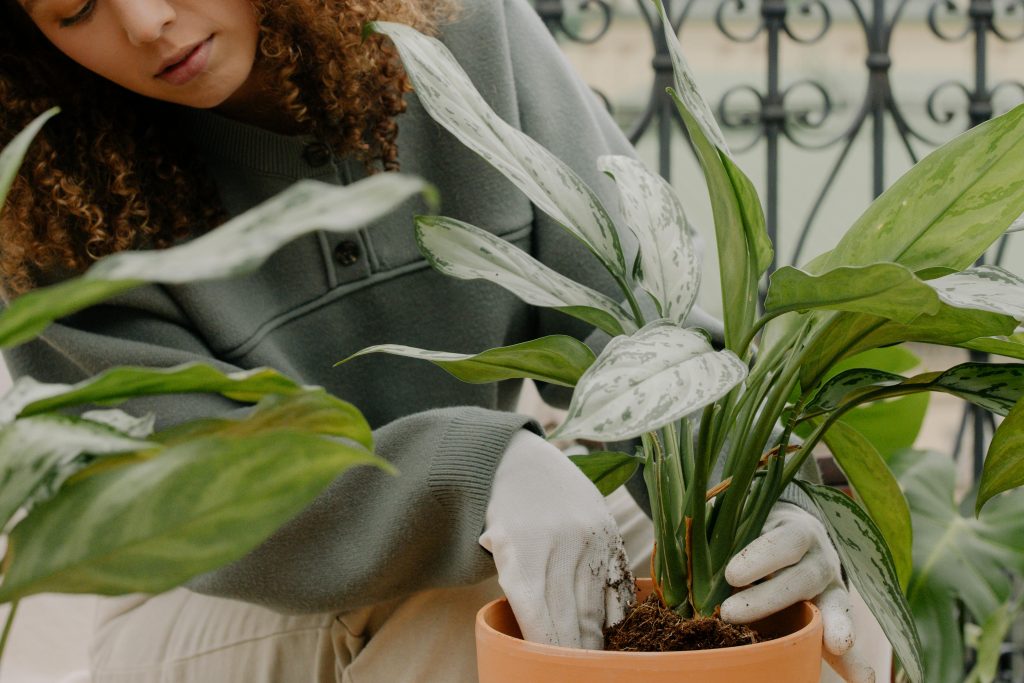
If you live in Liverpool or the Wirral you’ll know that gardening is definitely possible all year round – you just need to adopt a few strategies that play nice with our local climate. To get a head start on the season put your seedlings in a cold frame or greenhouse – it’ll protect them from frost and allow you to get a jump on things. You can also use them to keep your tender plants safe through the winter and that lets you grow veggies like tomatoes, peppers and aubergines for longer. Mulching and watering pretty much all the time will keep your soil nice & moist, stop it getting too hot or too cold and help those roots grow.
But of course, in our damp, temperate conditions pests and diseases are pretty much always a problem – inspect your plants regularly, get rid of any leaves that are getting attacked and if you can, encourage some helpful insects like ladybirds & hoverflies to sort out any problems. And then there’s companion planting which not only helps your plants grow faster but also keeps those nasty pests away – eg planting marigolds with your tomatoes or basil with your peppers.
Key Things to Keep in Mind for Your Liverpool or Wirral Garden:
- First things first, get a cold frame or greenhouse to give your plants a bit of extra protection & let you start growing sooner.
- Mulch your beds regularly and stick to a watering routine to keep your soil in good nick.
- Don’t forget to keep an eye out for pests, and when you spot any problem areas just cut them off.
- Help out the good guys – ladybirds & hoverflies etc – and let them sort out the pests for you.
- Try companion planting to give your plants a bit of a leg up and keep those pesky critters from getting too comfy.