

A lush green lawn is a total game-changer for a home in Wirral – it can turn a dull outdoor space into an actual oasis where you can sit back & relax, invite friends over to have a party or just enjoy the simple things in life. Of course, though getting a beautiful, healthy lawn isn’t just a matter of chucking some turf down – it needs careful planning upfront, proper soil prep, & on-going TLC tailored to the local weather conditions. Wirral’s lovely maritime climate is great for growing a law,n but it can also be a bit of a challenge if you don’t know your stuff – wet winters & mild summers are perfect for growing a lawn, but can also make it prone to waterlogging or looking patchy.
Now, this is the part where we go through a step-by-step guide on how to get laying turf in Wirral just right – from getting the soil in good nick & choosing turf that will thrive in the local conditions, all the way through to watering, feeding & keeping your lawn on track month in month out. By doing it the proper way you’ll end up with a lawn that’s got a solid root system, a vibrant healthy colour & can take all the ups & downs that the changing seasons bring. And if you do need a bit of expert help, there are loads of professional gardening services in Wirral that can give your garden the TLC it needs, and fast – they’ll take care of the lawn prep, turf laying & maintenance so you don’t have to lift a finger.
Choosing the Right Turf for Wirral: Tips for a Healthy Lawn

Turf is essentially the bits of grass with a layer of soil and roots already sorted – it’s basically ready to roll and can be laid down anywhere on your lawn. The good news is that it gives you an instant green surface, stops the soil from washing away, and gets growing in a flash compared to sowing grass seed. When you are choosing the right type of turf for your Wirral garden – and Wirral does have quite a temperate maritime climate with all that rain in the winter and summers that are pretty mild – that’s a bonus for growth, but it can also present some challenges.
When you are deciding on a turf for your Wirral garden, there are a few different options depending on what you are looking for and the conditions your garden is in. For example, fine-leafed turf gives a really smooth, pretty lawn that is great for any garden that wants a more formal look. Meadow-style turf, on the other hand, will give you a much more natural look and is perfect for gardens where you want to encourage wildlife. Shade-tolerant turf is meant for areas where the trees seem to be taking over, and if you have a garden that dries out really quickly in the summer, then you will want to go for one of the drought-tolerant varieties. You also need to decide between instant turf and grass seed – instant turf will give you an instant lawn, but requires a bit of work to get the soil right, while seeding your lawn can be done on the cheap, and you get to choose the type of grass that suits your garden to perfection. And of course, the soil type and how well it drains in your Wirral garden will also be a factor in what type of turf you get – if your soil is heavy clay, then you will be better off with a drought-tolerant or fine-leafed turf, while sandy soil does a lot better with any turf that is designed to retain moisture.
Preparing the Ground for a Healthy Lawn in Wirral
Before you even think about laying your new turf, you need to give the ground underneath it a good sort out – its the foundation your new lawn needs to take root and thrive . Start by clearing the area of any weeds, old grass, stones and other rubble – the last thing you want is competition for your new turf’s roots to fight off. Wirral’s wet weather gets to make things particularly tough for a lawn, so do whatever you can to get the drainage sorted and get the soil in decent shape, so water doesn’t just sit there turning bits of your lawn into mush. Testing your soil’s pH and checking what nutrients it’s lacking allows you to do all that’s needed to put everything right – whether that’s adding some lime or some compost to give it what it needs to really flourish . Reading up on proper soil care – and following the tips you pick up in a good gardening guide to mulching and composting – will also do wonders for keeping moisture in the soil, and keeping your lawn as healthy as it can be while you’re waiting for the day you get to plant it.
The Lowdown on Preparing Your Lawn for Turf:
- Get a clear start: clear the whole area of any weeds, grass, stones and rubbish you can spot.
- Dig and break up the soil: get in there and loosen up the compacted bits, make sure your turf roots can get a good grip.
- Get the ground level: rake it out to make sure it’s level and fill in any low spots you’ve got.
- Get your soil sorted: chuck some compost or well rotted manure in there to get it looking healthy.
- Check your drainage and pH: you can buy a test kit to check so you’ll know what you need to do to sort it out.
It’ll take a bit of time and effort to do all this, but put it off and it’ll just catch you out in the long run – spend the time to get it right and you’ll have a lawn you can be proud of coming in to bloom.
How to Lay Turf in Wirral – A Step by Step Guide to Get Your Perfect Lawn
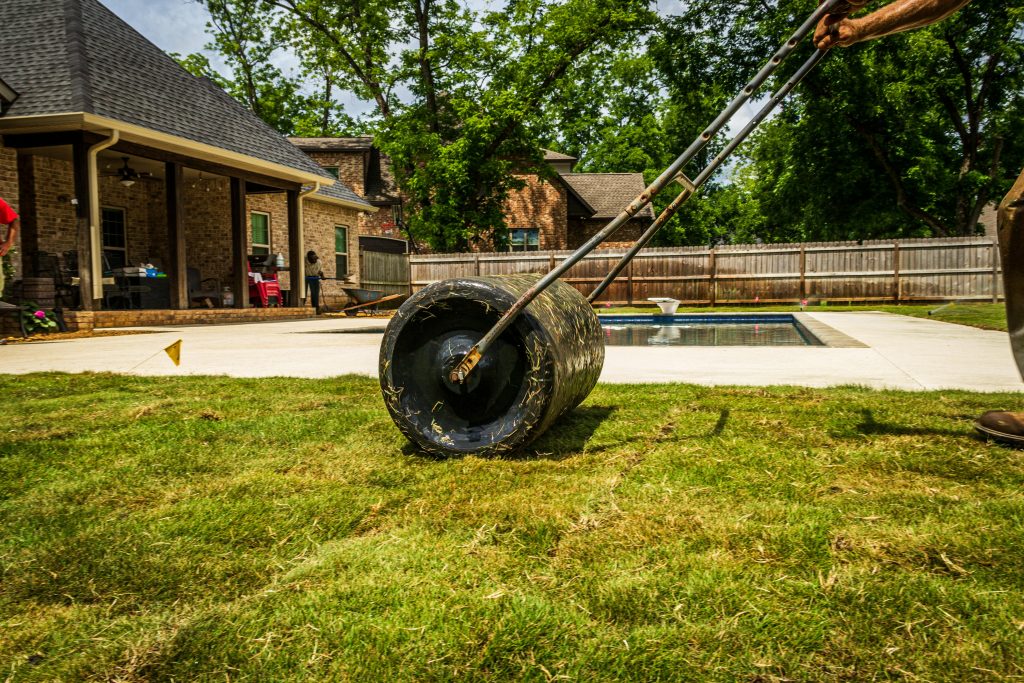
Getting turf laying right is a must if you want a lawn in Wirral that’s going to not only survive but thrive in our often changeable climate. Planning is key, and it isn’t just about putting the turf down, it’s about putting it down right, with all the right details in place so that it can get its roots down quickly and grow evenly. Before you even start, you need to get a good idea of the size of your garden, so measure it accurately and work out how much turf you’re going to need. Its a good idea to allow a bit extra for all the tricky bits like corners and edges. Clear all the old garden stuff and any lingering weeds or debris out from under the turf to prevent problems down the line and to stop it growing strong roots.
Step by Step Turf Laying: Tips for a Perfect Finish
- Measure and calculate the right amount: Get an accurate measurement of your lawn area and order a bit more turf than you think you need. That way you can make any adjustments as you go.
- Layering the turf: Lay the turf strips in an overlapping pattern so they’re nice and stable, and not going to split down the line.
- Get the edges sorted: Use a sharp knife to tidy up the edges around the flower beds, paths and curves for a neat, professional finish.
- No gaps please: Press each strip of turf down firmly, but carefully, and make sure the edges are nice and tight so the turf doesn’t dry out or grow unevenly.
- Get it watered: Give the turf a good soaking straight after its been laid, this will help get the roots into the new soil and reduce the stress of being transplanted.
Taking the time to do things right means you’ll end up with a smooth, even lawn with roots that are strong and healthy, and a lovely vibrant green colour. Keeping it watered properly in those first few weeks, and not being too hard on it with foot traffic, will help your new turf to really thrive and become the perfect addition to your garden in Wirral. For larger projects, professional garden waste clearance services in Wirral can help remove old grass, stones, and other materials efficiently.
Watering New Turf in Wirral: Essential Lawn Care After Laying Turf
Proper watering is crucial for establishing a healthy lawn after laying turf in Wirral. The first few weeks are especially important because newly laid turf needs consistent moisture to develop strong roots and settle into the soil. Water thoroughly immediately after laying to ensure the soil beneath is fully soaked, which encourages deep root growth. Maintaining the right moisture levels during the first month helps prevent patches from drying out and ensures an even, lush lawn.
Wirral’s temperate maritime climate can influence your watering schedule. While wet winters often provide enough natural rainfall, dry spells during milder months may require additional watering. Always check the soil before watering: the top layer should be damp but not waterlogged. Overwatering can suffocate roots, while underwatering slows establishment and increases the risk of browning.
Key Watering and Lawn Care Tips:
- Water thoroughly immediately after laying turf to help roots settle.
- Keep turf consistently moist for the first three to four weeks.
- Adjust watering based on weather: reduce during heavy rain and increase during dry spells.
- Water in the early morning or late evening to reduce evaporation.
- Avoid foot traffic on newly laid turf until roots are established.
Following these steps ensures strong root development, healthy growth, and a vibrant green lawn that will thrive throughout the seasons in Wirral.
Fertilizing Your Wirral Lawn – Getting It Right From the Start
Getting the right nutrients to your lawn in Wirral is crucial for growing a vibrant, healthy-looking grass. For new turf, it’s best to give it a first feed about 3 or 4 weeks down the line – once the roots start to get going. This will give the new grass a flying start & it should really start to thrive. For lawns that’ve been around a while, regular feeding over the growing season is a must. This keeps them healthy and thriving and gets them looking their absolute best.
Choosing the right fertiliser is key – it depends on the state of your lawn. New turf usually does alright with a slow-release fertiliser that helps build strong roots – established lawns on the other hand are best fed with something high in nitrogen to get that lush green colour coming back. You could also look at going down the organic route – this will have the added bonus of improving the soil structure in the long term. Whichever route you choose, always stick to the instructions on the bag so you don’t end up overdoing it & damaging the grass.
Top Tips for Fertilising Your Wirral Lawn:
- Get the first feed on new turf about 3 – 4 weeks after laying it down.
- A balanced slow release fertiliser is perfect for new turf to get those roots going strong.
- Established lawns need a feed during spring and autumn with a nitrogen rich fertiliser to get that colour back.
- If you want a more sustainable option for your soil look at organic fertilisers.
- Always follow the instructions on the bag to avoid overfeeding your lawn.
If you get the fertilising schedule right on your Wirral lawn, it should be looking strong, healthy and full of life in no time.
Troubleshooting Common Lawn Woes in Wirral: Fixing Brown Spots & More

Even lawns that are lovingly cared for in Wirral can still run into problems – brown patches, moss, weeds, and poor drainage can pop up seemingly out of nowhere. These issues tend to stem from a combination of factors such as heavily compacted soil, too much shade, pests getting the better of your lawn, or a lack of nutrients. Catching the root cause of the problem before it gets too serious lets you take the right steps to keep your lawn healthy, a nice shade of green, and resilient all year round.
Common Lawn Frustrations and How to Fix Them:
- Brown patches: Usually caused by a drought, fungal disease or the usual suspect – your pet’s visit – get the grass well watered, do some aerating on the soil, and replant some new grass where needed.
- Moss: This little pest thrives in damp, shady, or acidic conditions – improve the drainage, sort the soil pH out, and see if you can reduce the amount of shade your lawn is getting if at all possible.
- Weeds: They compete with your grass for all the nutrients it needs – take it out by hand, or look into some more targeted weed control treatments.
- Poor drainage: This is basically the worst for your grass as it just can’t grow properly when it’s sitting in water – aerate the soil, add some new topsoil or sand, and you can even think about putting in some sort of drainage system if needed.
Doing all the right things to prevent problems from arising in the first place – regular aeration, fertilizing at the right time, and making sure you’re mowing your lawn at the right height – helps to reduce the likelihood of most common lawn problems in the first place. Following these tips will give you a lawn that’s looking great all year round.